A dog can spend only a few minutes in a contaminated area and become exposed to one of the most dangerous infectious diseases affecting dogs. Unlike many respiratory infections that spread mainly through close contact, canine parvovirus can remain infectious in the environment long after an infected animal has left. A contaminated kennel floor, shared exercise yard, food bowl, cleaning tool, or even footwear can become part of a transmission chain.
This makes parvovirus a particularly serious concern for Dog Boarding facilities. Multiple dogs pass through the same spaces, employees move between different sections, and newly admitted animals may arrive with incomplete vaccination histories. Even a facility that appears clean can face a significant biosecurity challenge if its cleaning and disinfection procedures are not designed specifically to control this virus.
Canine parvovirus is not simply a routine kennel illness. It can cause severe gastrointestinal disease, dehydration, shock, and death, particularly in young or inadequately vaccinated dogs. Preventing an outbreak requires a combination of vaccination policies, admission screening, environmental management, effective disinfection, isolation, and carefully controlled movement throughout the facility.
Understanding Canine Parvovirus and Its Effect on Dogs
Canine parvovirus type 2 (CPV-2) is a highly contagious virus that primarily affects dogs. It has a particular ability to attack rapidly dividing cells, which explains why it can cause such severe damage in certain tissues.
The virus commonly affects:
- The intestinal lining
- Bone marrow cells involved in producing blood cells
- Lymphoid tissues involved in immune function
Damage to the intestinal lining interferes with the dog’s ability to absorb nutrients and fluids. It can also compromise the protective barrier that normally prevents intestinal bacteria from entering the bloodstream.
As a result, affected dogs may develop severe vomiting, diarrhea, dehydration, and potentially life-threatening systemic complications.
In puppies, the disease can progress rapidly. Their smaller body size and limited physiological reserves make fluid loss especially dangerous. A puppy that initially appears tired or refuses a meal may deteriorate considerably if the infection is not recognized and treated promptly.
Although adult dogs can also become infected, vaccination status and individual health strongly influence the risk of severe disease.
How Parvovirus Spreads Through Dog Boarding Environments
The main transmission route is fecal-oral. A dog becomes infected when it swallows virus particles originating from the feces of an infected animal.
This does not necessarily require direct contact with an infected dog. The virus can be transferred through contaminated objects, surfaces, equipment, and human movement.
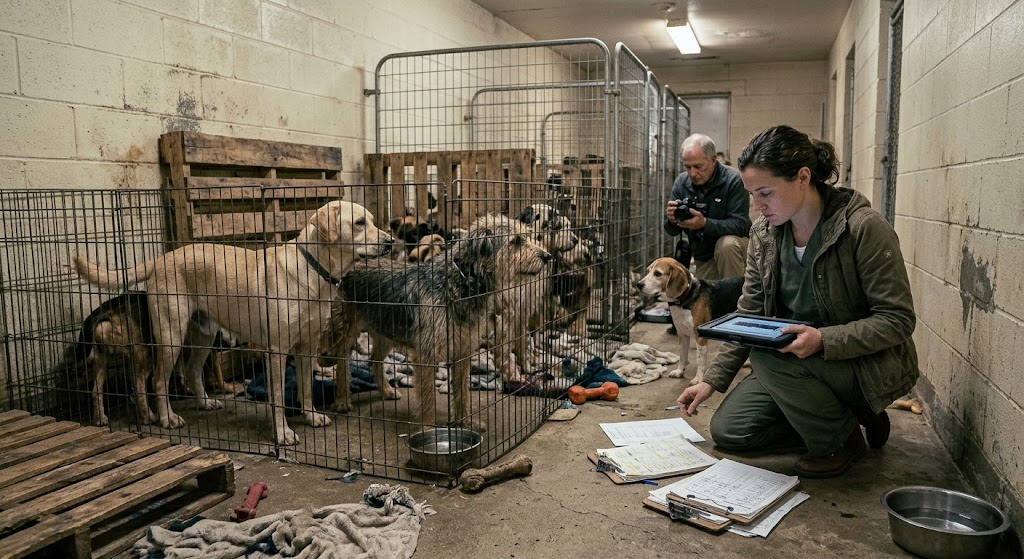
Contaminated kennel floors and exercise areas
An infected dog may release enormous quantities of viral particles in its feces. Even after visible waste has been removed, microscopic contamination may remain.
Dogs investigate their surroundings with their noses and mouths. They may sniff contaminated flooring, lick surfaces, chew objects, or groom their paws after walking through an affected area.
Shared outdoor exercise yards can be particularly challenging. Grass, soil, gravel, and other porous surfaces are difficult to disinfect reliably. If an infected dog defecates in a shared yard, the area may remain a potential source of exposure.
A facility cannot assume that moving the dog to another kennel immediately solves the problem. Any area the animal previously occupied must be assessed as a possible contamination site.
Shared bowls, toys, bedding, and equipment
Food bowls, water containers, toys, transport crates, cleaning tools, and other shared items can transfer infectious material.
Bedding and fabric materials present additional challenges because organic contamination can become trapped within fibers. Washing may reduce contamination, but the effectiveness depends on the material, washing process, and whether an appropriate disinfection procedure is available.
Professional Dog Boarding operations should avoid sharing equipment between isolation areas and healthy dogs. Items that cannot be adequately cleaned and disinfected may need to be discarded.
Staff movement and indirect transmission
Employees can unintentionally move contaminated material from one section of a facility to another.
For example, a worker might clean a kennel occupied by an infected dog, walk through a common corridor, and then handle equipment used in a healthy dog’s area. If appropriate hygiene and protective procedures are not followed, the virus may spread without direct dog-to-dog contact.
Footwear, gloves, clothing, cleaning equipment, and hands should therefore be considered potential vehicles of contamination.
This is why biosecurity must govern staff movement, not just the cleaning of individual kennels.
Why Canine Parvovirus Can Survive for So Long in the Environment
One of the most difficult aspects of parvovirus control is its environmental resistance.
Many enveloped viruses are relatively vulnerable to ordinary detergents and environmental conditions. Canine parvovirus is a non-enveloped virus, meaning it lacks the outer lipid membrane that makes some viruses easier to destroy.
Its structure allows it to remain infectious under conditions that would inactivate many other pathogens.
Persistence on indoor surfaces
Under suitable environmental conditions, parvovirus can remain infectious on contaminated surfaces for months and potentially longer. Survival depends on factors such as temperature, sunlight exposure, moisture, organic material, and the surface involved.
This creates a serious challenge for boarding facilities that receive new dogs every day or week.
A kennel occupied by an infected dog may appear completely normal after cleaning. However, if the disinfectant used was ineffective against parvovirus, infectious material may remain.
Outdoor environments are even harder to control
Soil, grass, gravel, and shaded outdoor spaces can retain contamination. Sunlight and environmental conditions may gradually reduce viral activity, but natural exposure is not a dependable disinfection method.
An exercise yard contaminated during an outbreak should not automatically be considered safe because several days have passed.
The facility may need veterinary or environmental-health guidance before allowing susceptible dogs to use the area again.
Which Dogs Are Most Vulnerable to Parvovirus?
Parvovirus can affect dogs of different ages, but certain groups face a greater risk of infection or severe disease.
Puppies with incomplete vaccination
Puppies are among the most vulnerable dogs because maternal antibodies and vaccination timing can create a period when protection is incomplete.
Puppies receive antibodies from their mothers, but these antibodies gradually decline. While they help protect young animals, they can also interfere with the immune response to vaccination.
This is one reason puppies receive a series of parvovirus vaccinations rather than relying on a single early injection.
A puppy may have received one or two vaccinations and still remain vulnerable. Owners should never assume that a young dog is fully protected simply because it has received an initial vaccine.
Unvaccinated and inadequately vaccinated dogs
Dogs without a documented vaccination history are at particular risk when entering environments where other animals have recently been present.
Some owners may not know whether previous vaccinations were completed correctly. Others may have adopted dogs with incomplete medical records.
A responsible Dog Boarding facility should request appropriate veterinary vaccination documentation and establish clear admission requirements.
Dogs with compromised health
Dogs experiencing serious illness, immune suppression, or other medical complications may be less able to cope with infection.
However, a healthy-looking dog is not necessarily protected. Parvovirus exposure can occur in animals that appear active and normal before clinical signs develop.
Certain breed-related considerations
Some research and veterinary observations have identified differences in parvovirus risk among breeds, with certain large-breed dogs appearing more susceptible to severe disease. However, breed alone should never be used to determine whether a dog is safe to board.
Vaccination history, age, exposure, health status, and veterinary assessment are much more useful when evaluating an individual animal.
Recognizing Parvovirus Symptoms During Dog Boarding
Early identification can make a substantial difference in the response to a suspected outbreak.
The first signs may be relatively nonspecific. A dog might refuse food, become unusually quiet, or show reduced interest in normal activities.
As the disease progresses, symptoms can include:
- Repeated vomiting
- Severe or persistent diarrhea
- Bloody diarrhea
- Loss of appetite
- Marked lethargy
- Fever or, in severe cases, low body temperature
- Abdominal discomfort
- Rapid dehydration
- Weakness or collapse
Not every infected dog will show every symptom. Some may initially have mild signs before becoming seriously ill.
Why vomiting and diarrhea are particularly dangerous
The intestinal lining plays an essential role in absorbing water and nutrients. When parvovirus damages this tissue, the dog can lose fluids rapidly.
Severe vomiting and diarrhea can lead to electrolyte imbalances and dehydration. Damage to the intestinal barrier may also allow bacteria to enter the bloodstream, increasing the risk of sepsis.
These complications explain why suspected parvovirus is a veterinary emergency rather than a condition that should be monitored casually at home or in a boarding kennel.
Vaccination: The Most Important Layer of Protection
Vaccination is the foundation of parvovirus prevention.
Core canine vaccines generally include protection against canine parvovirus, and veterinarians recommend an appropriate vaccination schedule based on the dog’s age and medical history.
Why puppies need a vaccination series
Maternal antibodies can interfere with vaccination during early life. Because the exact time when these antibodies decline varies between puppies, repeated vaccinations are used to increase the likelihood that at least one dose produces a reliable immune response.
Veterinary guidelines commonly recommend a puppy vaccination series beginning around six to eight weeks of age, repeated every two to four weeks until at least 16 weeks of age. In higher-risk situations, a veterinarian may recommend extending the series.
A further booster is generally recommended around one year after the initial puppy series, followed by boosters according to current veterinary guidelines and the vaccine used.
Owners should follow their veterinarian’s schedule rather than relying on general dates without considering the individual dog’s history.
Why vaccination records matter in Dog Boarding
A boarding facility should verify vaccination documentation before accepting a dog.
Staff should check whether the required vaccination has been administered according to an appropriate schedule and whether the dog is old enough to meet the facility’s admission policy.
Vaccination does not make every exposure impossible, but properly vaccinated dogs are much better protected against severe parvovirus disease.
Facilities should also avoid admitting puppies whose vaccination status does not meet their veterinary-informed requirements, particularly where they would share spaces with dogs of unknown health histories.
Cleaning Limitations: Why Ordinary Disinfectants May Fail
A common mistake in kennel management is assuming that a product effective against ordinary bacteria or enveloped viruses will also destroy parvovirus.
That assumption can leave a facility dangerously exposed.
Many routine household cleaners and general-purpose disinfectants are not reliably effective against canine parvovirus. The virus’s environmental resistance requires products specifically labeled as effective against parvovirus or other appropriate hard-to-kill non-enveloped viruses.
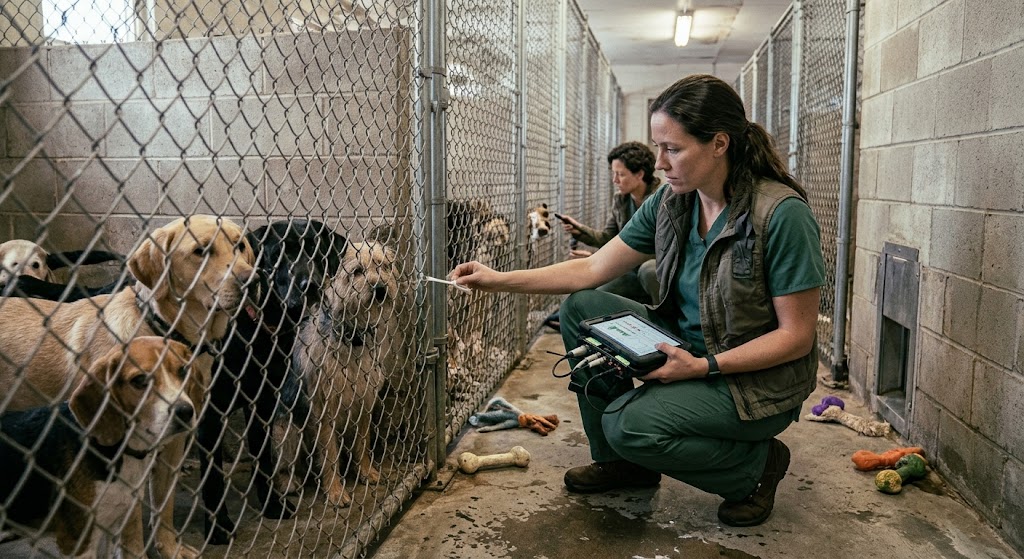
Cleaning must happen before disinfection
Disinfection is not a substitute for physical cleaning.
Feces, vomit, dirt, and other organic material can interfere with disinfectant performance. Staff must first remove visible contamination and clean the surface according to the product’s instructions.
Only after this step should an appropriate disinfectant be applied.
Choosing the correct disinfectant
Products with established parvovirus activity may include appropriately formulated sodium hypochlorite solutions, accelerated hydrogen peroxide products, and certain other veterinary disinfectants.
However, not every product in these categories has the same effectiveness. Concentration, formulation, surface compatibility, and required contact time matter.
Staff must follow the manufacturer’s instructions carefully. Applying a disinfectant and immediately wiping it away may prevent the product from working as intended.
Chemical safety is equally important. Products should never be mixed, and dogs should not return to treated areas until the required procedures have been completed and the surfaces are safe.
Porous materials require special attention
Concrete cracks, untreated wood, soil, grass, carpets, and some fabrics are difficult to disinfect reliably.
In certain circumstances, heavily contaminated porous materials may need to be removed or permanently excluded from use by susceptible dogs.
A facility should not claim that every surface has been sterilized simply because it has been sprayed with disinfectant.
Isolation and Emergency Response When Parvovirus Is Suspected
A suspected parvovirus case should trigger immediate action. Waiting for symptoms to become more obvious can allow contamination to spread through the facility.
Step 1: Separate the affected dog immediately
The dog should be removed from contact with other animals and placed in a designated isolation area, if safe to do so.
Staff should use appropriate protective clothing and dedicated equipment. The isolation area should not share routine supplies with healthy boarding sections.
Step 2: Arrange urgent veterinary assessment
The owner should be contacted immediately, and the dog should receive urgent veterinary attention.
Parvovirus testing may involve fecal antigen tests or laboratory-based methods. A negative rapid test does not always rule out infection, particularly when testing occurs early or under certain clinical circumstances. The veterinarian may recommend additional testing based on symptoms and exposure history.
Boarding staff should never attempt to manage a suspected case using home remedies or non-prescribed medication.
Step 3: Identify exposed dogs
Management should establish which dogs shared kennels, yards, equipment, staff contact, or other spaces with the suspected case.
Exposure records should include dates, locations, and relevant movements within the facility.
Potentially exposed dogs may require veterinary advice, closer monitoring, and restrictions on movement or admission to other facilities.
Step 4: Restrict access to contaminated areas
Affected kennels and shared spaces should be closed until cleaning and disinfection procedures have been completed and the facility has assessed whether they can safely reopen.
Outdoor spaces and porous surfaces may require additional measures because they cannot always be disinfected using ordinary methods.
Step 5: Communicate transparently
Owners whose dogs may have been exposed should receive timely, accurate information.
They need to know what happened, when exposure may have occurred, what symptoms to watch for, and whom to contact for veterinary guidance.
Hiding a suspected outbreak can put more animals at risk and damage trust in the boarding operation.
Building Strong Biosecurity Into Everyday Dog Boarding Operations
Effective biosecurity should not begin only after an infected dog is identified. It needs to be part of the facility’s normal operating procedures.
A strong Dog Boarding biosecurity program includes several connected measures.
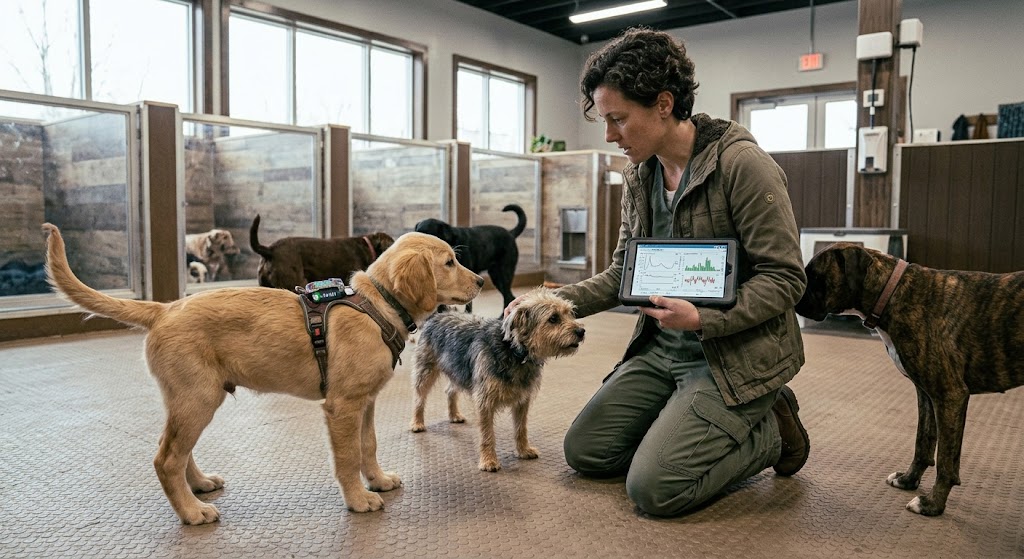
Admission screening: Check vaccination records, recent illness, gastrointestinal symptoms, and known exposure to infectious dogs.
Separate housing: Keep new arrivals, medically vulnerable animals, and sick dogs under appropriate management rather than mixing every animal into shared spaces.
Controlled movement: Establish clear routes for staff, dogs, equipment, and waste so that contaminated areas do not affect clean areas.
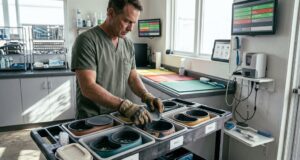
Dedicated cleaning equipment: Use separate tools for isolation and general boarding sections.
Written cleaning procedures: Record which products are used, the correct dilution, contact time, and the areas cleaned.
Staff education: Train employees to recognize early symptoms and understand how contamination can move between sections.
Accurate records: Maintain admission records, vaccination documentation, daily health observations, cleaning logs, and incident reports.
Veterinary relationships: Establish a reliable relationship with a veterinary clinic that can provide advice and emergency care when needed.
These procedures require time and investment. However, the financial and ethical consequences of a parvovirus outbreak can be far more serious than the cost of maintaining preventive systems.
What Should Owners Ask Before Choosing a Dog Boarding Facility?
Owners do not need to understand every technical detail of infectious disease control, but they should ask practical questions before booking.
- Does the facility require documented parvovirus vaccination?
- What is its minimum vaccination age and admission policy for puppies?
- How are sick dogs separated from healthy animals?
- Which disinfectants are used for parvovirus control?
- How are outdoor exercise areas managed?
- Are food bowls, bedding, and cleaning equipment shared?
- What happens if a dog develops vomiting or diarrhea?
- Does the facility have an established veterinary emergency arrangement?
- How are owners informed about possible disease exposure?
The quality of the answers matters more than polished marketing language. A responsible operator should be able to explain its procedures clearly and consistently.
Owners should also disclose any recent illness, incomplete vaccination history, or known contact with infected animals. Withholding this information can put other dogs at unnecessary risk.
Protecting Dogs Requires a Facility-Wide Approach
Canine parvovirus exposes one of the most important weaknesses in poorly managed Dog Boarding environments: infectious disease can spread through shared spaces even when dogs never interact directly.
The virus’s environmental resistance makes prevention particularly demanding. Ordinary cleaning may not be enough, and a facility cannot rely on vaccination records alone to guarantee safety.
The strongest protection comes from combining appropriate vaccination, careful admission screening, effective cleaning and disinfection, controlled staff movement, immediate isolation, and prompt veterinary involvement.
For owners, choosing a boarding facility should involve more than comparing prices, kennel sizes, or playtime arrangements. Its approach to disease prevention is an essential part of animal welfare.
For operators, biosecurity is not an optional extra or a procedure reserved for emergencies. It is a daily responsibility that protects every dog entering the building, including animals that may never show signs of illness themselves.