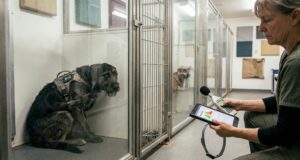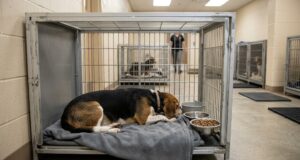
A dog can enter a boarding facility healthy, enjoy several days of supervised care, and return home with a persistent cough that was not present before the stay. For owners, this can be alarming. They may wonder whether the facility was clean, whether another dog was sick, or whether their pet received inadequate care. Boarding operators face a different but equally serious concern: one infectious dog can expose several others before anyone realizes that a respiratory illness is circulating.
Kennel cough is one of the most frequently discussed health risks associated with Dog Boarding, but the term can create confusion. It does not describe a single disease caused by one organism. Instead, it commonly refers to canine infectious respiratory disease complex (CIRDC), a group of contagious respiratory infections involving different viruses and bacteria.
Understanding how these infections develop, spread, and affect dogs is essential for owners choosing a boarding facility and professionals responsible for protecting animals in their care. Vaccination helps, but it cannot eliminate every risk. Good hygiene matters, but it cannot guarantee that an infectious dog will never enter the building. Effective prevention depends on several safeguards working together.
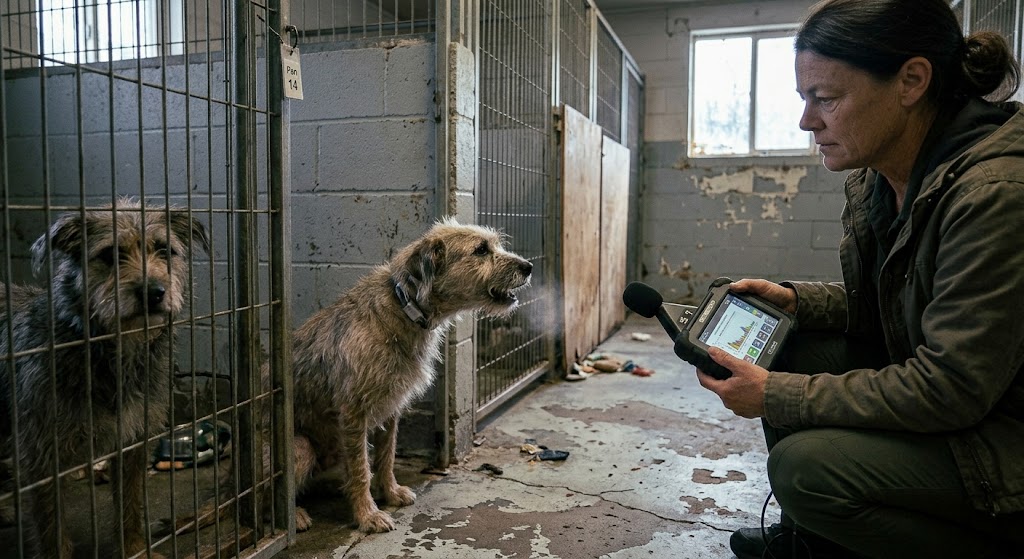
What Is Kennel Cough, and Why Is It Associated With Dog Boarding?
Kennel cough is a familiar name for an infectious respiratory condition that causes inflammation of the upper airways. Dogs may develop a dry, repetitive cough, sometimes followed by gagging or retching. Some recover without complications, while others experience more serious respiratory illness.
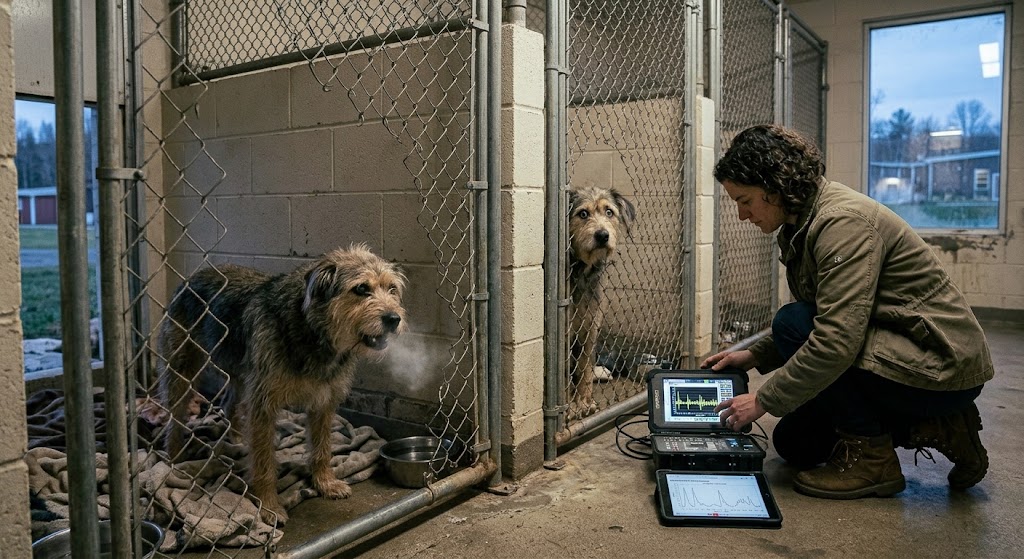
The association with Dog Boarding comes from the way dogs interact in shared environments. Boarding facilities bring animals from different households, backgrounds, and vaccination histories into one location. Even when individual kennels are cleaned properly, dogs may share airspace, exercise areas, corridors, playrooms, water stations, and staff handling equipment.
Respiratory pathogens do not need direct nose-to-nose contact in every situation. An infected dog may release infectious particles when coughing, sneezing, barking, or breathing. Other dogs can become exposed through respiratory droplets, contaminated surfaces, or close contact with an infected animal.
This does not mean every boarding facility is unsafe. It means that respiratory disease prevention must be treated as a routine part of professional animal care rather than an occasional cleaning task.
Infectious Causes: Kennel Cough Is Not One Single Infection
Several pathogens can contribute to canine infectious respiratory disease. A dog may be infected with one organism or multiple pathogens at the same time. The combination can influence how severe the illness becomes.
Bacterial causes
Bordetella bronchiseptica is one of the best-known bacterial organisms associated with kennel cough. It affects the respiratory tract and can contribute to the characteristic persistent cough. It is particularly relevant in environments where dogs have frequent contact with one another.
Other bacteria, including certain Mycoplasma species and Streptococcus equi subsp. zooepidemicus, may also be involved in canine respiratory disease. The latter has been associated with severe outbreaks, although serious disease is not the typical outcome of every kennel cough exposure.
Viral causes
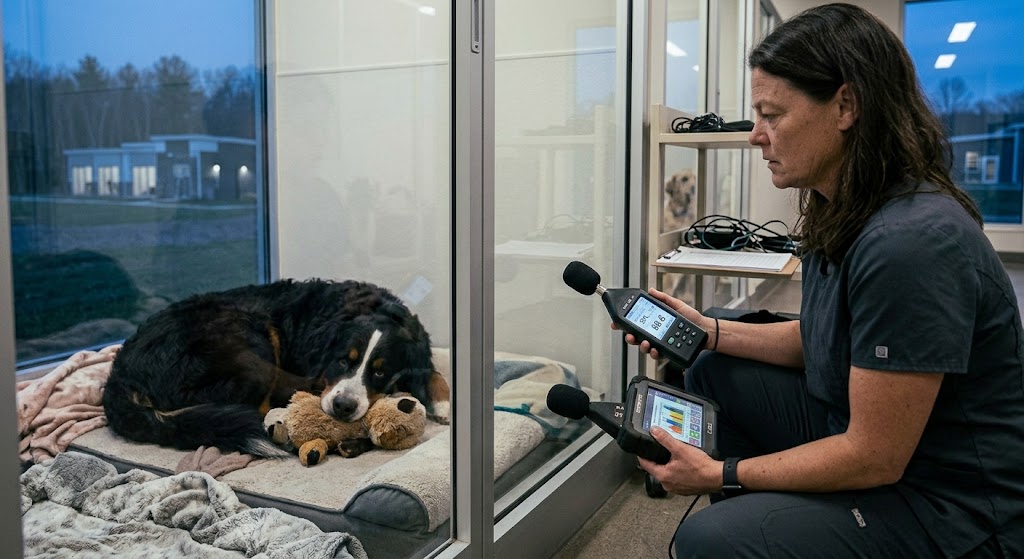
Several viruses can contribute to respiratory infections in dogs, including:
- Canine parainfluenza virus
- Canine adenovirus type 2
- Canine respiratory coronavirus
- Canine influenza viruses
- Canine pneumovirus
These pathogens affect different parts of the respiratory system and may weaken local defenses, making it easier for secondary infections to develop.
A dog with mild coughing may have a relatively uncomplicated infection. Another dog exposed to a similar environment may develop fever, reduced appetite, nasal discharge, or pneumonia. The difference can depend on the pathogen, the dog’s age, existing health conditions, immune response, and whether multiple infections occur together.
How Kennel Cough Spreads Inside Dog Boarding Facilities
Transmission is not limited to dogs sharing the same kennel. Respiratory infections can move through a facility in several ways, which is why effective Dog Boarding health protocols need to consider the entire environment.
Respiratory droplets and close contact
When an infected dog coughs or sneezes, it can release droplets containing infectious organisms. Dogs exercising together, greeting one another, or resting close to neighboring kennels may be exposed.
Barking can also increase respiratory particle release. In a busy boarding environment, repeated barking and close spacing may create opportunities for transmission, particularly when ventilation is inadequate.
Shared equipment and contaminated surfaces
Some respiratory pathogens may survive for varying periods outside the body, depending on the organism and environmental conditions. Shared bowls, toys, leads, cleaning equipment, and frequently touched surfaces can contribute to transmission if contaminated and not handled appropriately.
The importance of surface transmission differs between pathogens. It would be inaccurate to assume that every kennel cough infection spreads primarily through objects. Nevertheless, cleaning and disinfection remain essential because contaminated equipment can create avoidable exposure.
Staff movement between dogs
Employees may unintentionally transfer infectious material on their hands, clothing, or equipment when moving between animals. This is especially concerning when staff handle a coughing dog and immediately continue caring for healthy dogs without following appropriate hygiene procedures.
A well-managed facility establishes clear routines for hand hygiene, equipment separation, cleaning, and the order in which staff attend to healthy and sick animals.
Poor ventilation and overcrowding
Air quality is a frequently overlooked part of respiratory disease prevention. A building can look clean while still having inadequate air exchange.
Poor ventilation may allow respiratory particles to accumulate, particularly in enclosed spaces where many dogs spend extended periods. Overcrowding can also increase close contact, stress, and competition for resting areas.
A responsible Dog Boarding operator should assess ventilation, kennel spacing, cleaning procedures, and group activity arrangements together. None of these measures can independently prevent every infection, but their combined effect can reduce opportunities for transmission.
Kennel Cough Incubation Period: How Long Before Symptoms Appear?
The incubation period is the time between exposure to an infectious organism and the appearance of clinical signs.
For many canine infectious respiratory infections, symptoms may appear within approximately 2 to 14 days after exposure. However, the timing varies according to the pathogen, the dog’s immune response, and whether more than one organism is involved.
This creates a practical problem for boarding facilities and owners.
A dog may appear completely healthy during its stay but begin coughing several days after returning home. The infection may have been acquired at the boarding facility, during a grooming appointment, at a dog park, in a veterinary waiting room, or through another contact before or after boarding.
The reverse is also possible. A dog may enter a facility during the incubation period and develop symptoms while staying there.
Consequently, a boarding facility cannot rely exclusively on visual health checks at admission. Daily observation is necessary, and owners should understand that a symptom-free departure does not guarantee that a dog was never exposed.
When illness develops after boarding, the timing and possible exposure history can help a veterinarian assess the situation, but they do not automatically establish where the infection originated.
Recognizing Kennel Cough Symptoms in Boarding Dogs
The most recognizable symptom is a persistent, often dry cough. Owners sometimes describe it as a honking sound, particularly when the dog becomes excited, pulls on a lead, or exercises.
Other possible signs include:
- Repeated coughing or throat clearing
- Gagging or retching after coughing
- Sneezing
- Clear nasal discharge
- Watery eyes
- Mild lethargy
- Reduced appetite
- Low-grade fever
Some dogs remain active and continue eating normally despite coughing. Others become noticeably uncomfortable.
The distinction between a mild respiratory infection and a more serious condition matters. A dog with coughing alone may need veterinary assessment and monitoring, while a dog showing breathing difficulty, significant weakness, or poor appetite requires more urgent attention.
When coughing may indicate something more serious
Kennel cough should not become a convenient explanation for every respiratory symptom. Coughing can also result from heart disease, airway collapse, foreign material, pneumonia, or other medical problems.
A veterinarian may need to investigate further if the dog has a wet or productive-sounding cough, fever, marked lethargy, rapid breathing, nasal discharge that becomes thick or discolored, or symptoms that worsen instead of improving.
Difficulty breathing, blue or pale gums, collapse, or severe weakness warrant emergency veterinary care.
Why Kennel Cough Vaccination Does Not Eliminate All Risk
Vaccination is one of the most useful preventive measures in Dog Boarding, and many facilities require dogs to receive recommended respiratory vaccines before admission.
However, owners sometimes misunderstand what vaccination can accomplish.
Vaccines may reduce the likelihood of infection, lessen clinical signs, and lower the risk of certain complications, depending on the vaccine and the pathogen involved. They do not provide complete protection against every organism capable of causing canine infectious respiratory disease.
Different pathogens require different protection
A vaccine targeting Bordetella bronchiseptica does not automatically protect against canine influenza, parainfluenza, or every other respiratory pathogen.
Even when a dog receives several recommended vaccines, it may still encounter an organism not covered by those products.
Protection is not always immediate
Vaccines need time to stimulate an immune response. A dog vaccinated shortly before boarding may not have developed adequate protection by the time it enters the facility.
The timing depends on the specific product, route of administration, previous vaccination history, and veterinary recommendations. Owners should ask their veterinarian when protection is expected rather than assuming that vaccination on the day before boarding is sufficient.
Vaccination can reduce severity without preventing every symptom
Some vaccinated dogs still develop respiratory illness after exposure. Their symptoms may be milder, but the possibility of infection remains.
Boarding facilities should therefore avoid treating vaccination records as a substitute for health screening, isolation procedures, ventilation, and sanitation.
Owners should discuss appropriate respiratory vaccination with their veterinarian based on the dog’s health, age, lifestyle, local disease risks, and boarding plans.
Isolation Protocols: What Should a Boarding Facility Do When a Dog Starts Coughing?
The first coughing episode inside a boarding facility should trigger a consistent response. Waiting several days to see whether the dog improves can expose other animals unnecessarily.
A professional Dog Boarding operation should have a written infectious disease plan that staff understand and can follow.
1. Separate the symptomatic dog
The dog should be moved away from healthy animals as safely and calmly as possible. Ideally, the facility should have a designated isolation area with appropriate ventilation and separate equipment.
Simply placing a coughing dog in a kennel at the opposite end of the same crowded room may not provide adequate separation.
2. Contact the owner and arrange veterinary advice
Staff should inform the owner promptly, explain the observed symptoms, and recommend veterinary assessment. If symptoms are severe, the facility should follow its emergency veterinary procedure rather than waiting for routine owner instructions.
Employees should not diagnose the pathogen or independently prescribe medication.
3. Limit staff and equipment movement
Where possible, designated staff should care for isolated animals. If staffing arrangements make this impractical, employees should attend to healthy dogs before isolated animals and perform appropriate hand hygiene and clothing or equipment changes afterward.
Food bowls, water bowls, bedding, leads, and cleaning supplies should not be shared between isolation and general boarding areas.
4. Clean and disinfect appropriately
Visible organic material should be removed before applying a suitable disinfectant. The product must be effective against the relevant pathogens and used according to its label, including the required contact time.
A disinfectant that works against one organism may not be effective against another. Staff should also ensure that cleaning chemicals are used safely around dogs.
5. Monitor exposed dogs
Dogs that shared airspace or facilities with the affected animal may need closer observation for coughing, sneezing, nasal discharge, changes in appetite, or lethargy.
The monitoring period should reflect veterinary advice and the suspected infection. Facilities should maintain accurate records of symptoms, dates, exposure, communication, and actions taken.
6. Avoid premature return to group activities
A dog should not automatically return to shared play areas as soon as coughing becomes less frequent. Some infections may remain transmissible after visible improvement.
The appropriate isolation period depends on the suspected pathogen, clinical progress, veterinary guidance, and any applicable public-health or veterinary recommendations. A single fixed isolation period is not suitable for every respiratory infection.
Which Dogs Face a Greater Risk of Complications?
Many otherwise healthy adult dogs recover from uncomplicated kennel cough, but not every dog has the same level of resilience.
Puppies may be more vulnerable because their immune systems are still developing. Senior dogs may have reduced physiological reserves or existing conditions that complicate recovery.
Dogs with heart or lung disease, immune-system problems, or other chronic illnesses may also face greater risks. Animals experiencing significant stress, poor nutrition, or inadequate rest may have additional difficulty coping with illness.
A particularly concerning complication is pneumonia, an infection involving the lungs. It can develop when respiratory disease becomes more severe or when secondary bacterial infection occurs.
Owners of vulnerable dogs should discuss boarding suitability with their veterinarian before booking. In some cases, in-home care or a quieter arrangement may be safer than placing the dog in a communal environment.
Preventing Kennel Cough Before and During Dog Boarding
No responsible facility can promise zero risk of infectious disease. However, a carefully managed boarding operation can reduce preventable exposure and respond quickly when symptoms appear.
Owners should look for facilities that:
- Require appropriate vaccination documentation.
- Ask about recent coughing, sneezing, or respiratory illness.
- Refuse admission to dogs showing signs of contagious disease.
- Maintain suitable ventilation and reasonable kennel spacing.
- Clean and disinfect shared areas and equipment correctly.
- Provide daily health observations.
- Have a separate isolation arrangement.
- Maintain clear veterinary emergency procedures.
- Inform owners promptly when a dog becomes ill.
Owners can also help by avoiding boarding when their dog is already showing respiratory symptoms, disclosing recent illness or exposure, and providing accurate medical information.
A trial visit may help a dog adjust to the environment, but it should not be treated as a guarantee against infection. Similarly, choosing a smaller facility may reduce some contact opportunities, yet does not eliminate respiratory disease risk.
The most useful question is not simply whether a facility has ever experienced kennel cough. Respiratory infections can occur even in well-run environments. A better question is how the facility identifies illness, protects other dogs, communicates with owners, and manages an outbreak.
What Should Owners Do If Their Dog Develops Kennel Cough After Boarding?
If a dog begins coughing after a boarding stay, owners should contact their veterinarian and explain the timing, symptoms, vaccination history, and recent contact with other dogs.
It is helpful to call the veterinary clinic before arriving. Staff may recommend waiting in the car or using a separate entrance to reduce exposure to other patients.
Until the cause is assessed, owners should avoid dog parks, daycare, grooming appointments, group training, and unnecessary contact with other dogs. They should also avoid sharing bowls or toys with other household dogs.
Treatment depends on the dog’s condition and the suspected cause. Mild cases may require supportive care and monitoring, while more serious illness may need additional investigation or medication. Antibiotics are not automatically appropriate because many respiratory infections have viral causes, and treatment decisions should be made by a veterinarian.
Owners should seek urgent veterinary attention if their dog develops difficulty breathing, severe weakness, collapse, blue or pale gums, or other signs of significant deterioration.
It is also reasonable to inform the boarding facility. This allows staff to review possible exposure dates, check other dogs, strengthen monitoring, and notify affected owners when appropriate. A constructive report helps protect animals rather than simply assigning blame.
Dog Boarding Requires More Than Vaccination and Visible Cleanliness
Kennel cough illustrates why infectious disease prevention is a central responsibility in professional Dog Boarding. A clean-looking kennel and an up-to-date vaccination record are valuable, but neither tells the complete story of respiratory health.
Protection depends on recognizing early symptoms, understanding how different pathogens spread, maintaining appropriate ventilation, separating sick animals, and involving veterinary professionals when illness develops.
For owners, the most reassuring sign of a responsible facility is not a promise that dogs will never become sick. It is evidence that the business has realistic disease-control procedures and follows them consistently.
A boarding environment should provide more than accommodation. It should have the knowledge and systems needed to respond when an animal’s health changes. When that responsibility is taken seriously, the risk of kennel cough cannot be eliminated, but its consequences for individual dogs and the wider boarding population can be better controlled.