Introduction: When a Dog Suddenly Turns Away From Its Food
A dog that eagerly finishes every meal at home may refuse even its favorite food after arriving at a boarding facility. For owners, this can be alarming. For boarding staff, it presents a practical and medical challenge: is the animal reacting to an unfamiliar environment, experiencing separation-related anxiety, struggling with a dietary change, or developing an illness that requires veterinary attention?
Food refusal during dog boarding is often attributed to homesickness. Although separation and environmental stress can influence appetite, this explanation is incomplete. Changes in feeding behavior can also reflect gastrointestinal discomfort, nausea, dental pain, medication effects, dehydration, or an underlying disease that happens to become noticeable during the boarding period.
The distinction matters because appetite is an important indicator of canine health. A dog that misses one meal but remains comfortable, active, and normally hydrated may need time to adjust. An animal that repeatedly refuses food, becomes lethargic, or develops vomiting and diarrhea requires a different response.
Professional dog boarding facilities therefore need a consistent approach to appetite monitoring. Rather than immediately offering alternative foods or assuming that a dog will eventually eat when hungry, staff should investigate the circumstances surrounding each episode of food refusal.
Understanding why dogs stop eating requires examining the relationship between their environment, emotional state, digestive system, feeding routine, and overall physical condition.
Environmental Changes: Why Familiar Feeding Habits Disappear
Dogs develop strong associations between food and their surroundings. At home, a meal may be connected with a familiar kitchen, a particular feeding bowl, the owner’s presence, and a predictable daily routine.
Dog boarding changes many of these conditions simultaneously.
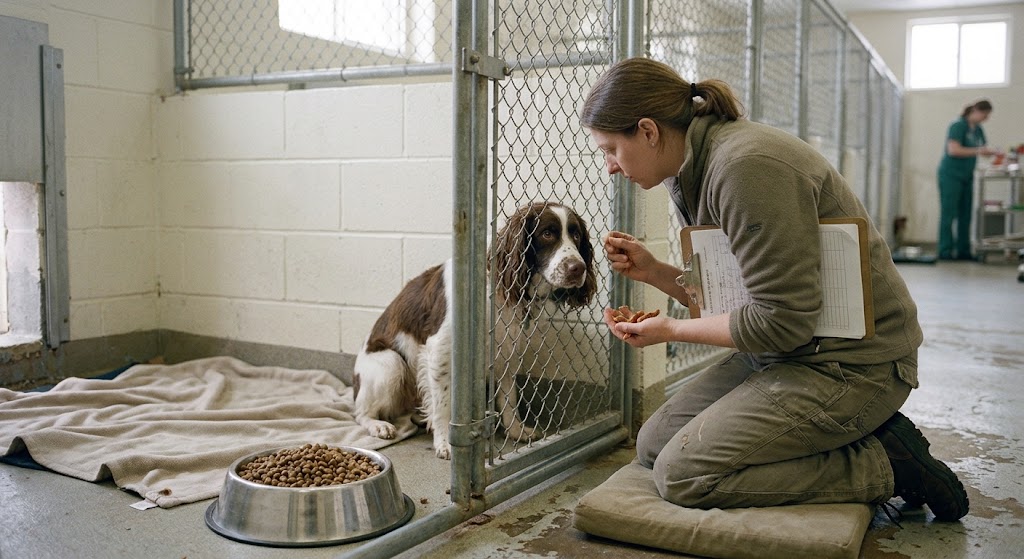
A dog accustomed to eating in a quiet household may suddenly find itself in a kennel where neighboring animals bark, staff members move between enclosures, cleaning equipment produces unfamiliar sounds, and unfamiliar smells remain throughout the feeding area.
These environmental changes can interfere with normal feeding behavior.
Noise, Movement, and Feeding Distractions
Dogs do not necessarily experience a busy boarding facility as a neutral environment. Sounds and movements that appear ordinary to employees may create uncertainty for an unfamiliar animal.
A dog may approach its food, take a few bites, and then stop when another dog begins barking. Repeated interruptions can prevent the animal from settling sufficiently to complete its meal.
Some dogs also remain alert to activity outside their enclosure. Instead of concentrating on food, they monitor approaching people, nearby dogs, and unexpected sounds.
This behavior may become particularly noticeable during the first few days of boarding.
The Importance of Feeding Location
The position of the food bowl can influence whether a dog feels comfortable eating.
An enclosure facing a busy corridor may expose the animal to continuous movement. Feeding beside unfamiliar dogs may create additional pressure, even when no direct aggression occurs.
Boarding facilities should consider whether each dog has a sufficiently quiet feeding area with limited visual distractions.
A simple environmental adjustment, such as moving the bowl away from a kennel entrance or providing a visual barrier, may improve feeding behavior without changing the dog’s diet.
Familiar Objects and Environmental Continuity
Owners can help by supplying the dog’s usual food bowl, provided the facility can clean and use it safely.
A familiar feeding mat or an approved bedding item may also provide useful environmental continuity. However, familiar objects should be assessed for chewing hazards and hygiene requirements.
The objective is not to recreate the dog’s entire home environment. It is to preserve a few recognizable elements that make the unfamiliar setting easier to navigate.
Separation Anxiety and the Relationship Between Stress and Appetite
Separation from familiar people can change a dog’s behavior in several ways. Some animals become vocal and restless, while others withdraw, remain unusually alert, or show little interest in activities they normally enjoy.
Reduced appetite can accompany these responses.
How Emotional Stress Can Affect Feeding
Stress activates physiological systems involved in preparing the body to respond to perceived challenges. These systems influence several functions, including gastrointestinal activity and normal feeding behavior.
When a dog enters an unfamiliar boarding environment, increased arousal may temporarily interfere with its willingness to eat.
The animal may appear hungry but struggle to settle. It may sniff its food, walk away, return several minutes later, and repeat the same behavior.
Other dogs may eat only when staff leave the enclosure because human presence itself creates additional stimulation.
The response varies considerably between individuals.
What Veterinary Research Tells Us
Research on kennelled dogs has demonstrated measurable physiological differences between home and kennel environments.
Part and colleagues, in a 2014 study published in Physiology & Behavior, compared privately owned dogs in their homes and in boarding kennels. They found higher urinary cortisol-related measures in the kennel environment, although the dogs also showed considerable individual variation.
Cortisol is associated with the body’s stress response, but it should not be interpreted as a direct measurement of emotional suffering. Increased physiological arousal does not automatically establish that a dog is experiencing severe distress.
Other research reviewing the welfare of kennelled dogs has identified individual history, previous kennel experience, environmental conditions, and behavioral observations as important factors when evaluating adjustment.
This evidence supports a cautious conclusion: environmental changes can affect canine physiology and behavior, but appetite loss cannot be diagnosed as stress without considering other possible explanations.
Distinguishing Temporary Adjustment From Persistent Distress
A dog experiencing mild adjustment difficulties may gradually resume normal eating as it becomes familiar with the facility.
More concerning patterns include:
- Repeatedly refusing complete meals.
- Persistent pacing or vocalization around feeding times.
- Avoiding food even in a quiet environment.
- Refusing food while also withdrawing from social interaction.
- Showing continued changes in sleep and activity.
- Losing weight during an extended boarding stay.
Staff should compare these observations with the dog’s normal behavior rather than applying the same interpretation to every animal.
Unfamiliar Food and Dietary Changes
One of the most preventable reasons dogs refuse food during boarding is an unnecessary change in diet.
Many dogs become accustomed to a particular formulation, texture, smell, and feeding method. Changing these elements suddenly can make a meal less appealing or produce gastrointestinal discomfort.
Why a Different Food May Cause Problems
Commercial dog foods vary in protein sources, fat content, fiber, moisture, ingredients, and texture.
A dog accustomed to dry kibble may be reluctant to eat a different brand, even when both products are nutritionally complete.
Sudden dietary changes may also disrupt gastrointestinal tolerance. Some dogs develop loose stools, increased gas, vomiting, or abdominal discomfort after receiving unfamiliar food.
A boarding facility that routinely supplies its own food should therefore ask owners about dietary preferences and sensitivities before accepting a reservation.
Why Familiar Food Is Usually the Better Starting Point
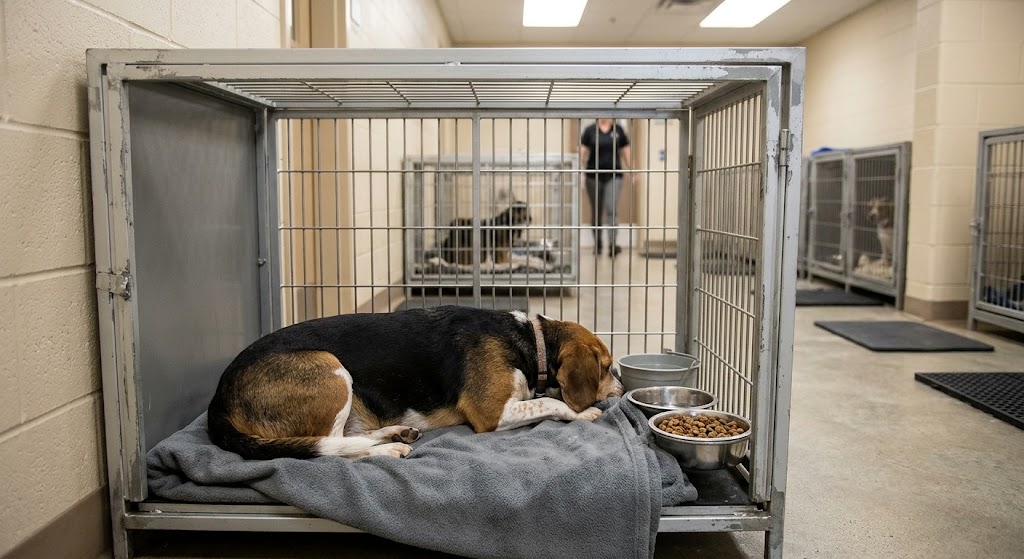
Owners should provide enough of their dog’s regular food for the expected boarding period, together with a reasonable reserve.
Staff should receive written instructions covering:
- Food brand and formulation.
- Daily portion size.
- Number of meals.
- Feeding times.
- Food allergies or intolerances.
- Approved treats and supplements.
- Special preparation requirements.
This information reduces uncertainty and makes it easier to identify whether appetite changes are associated with the boarding environment or a dietary difference.
Should Staff Add Toppers to Encourage Eating?
Adding a small amount of familiar wet food or another veterinarian-approved food may help some dogs become interested in their meals.
However, repeatedly introducing new treats, meat, dairy products, table scraps, and different food combinations can create additional digestive problems.
It may also make it difficult to determine whether the dog is refusing its regular diet because of stress, nausea, or food preference.
A better approach is to begin with the established diet and make only controlled, appropriate adjustments.
Dogs with prescribed therapeutic diets, food allergies, pancreatitis, or other dietary restrictions should not receive improvised additions without veterinary approval.
Gastrointestinal Discomfort: When Refusing Food Is a Physical Response
Not every dog that refuses food is anxious. In many cases, the animal may be experiencing nausea or abdominal discomfort.
This possibility is particularly important because dogs cannot explain whether they feel sick, have stomach pain, or experience discomfort when swallowing.
Nausea Without Obvious Vomiting
A dog does not have to vomit to experience nausea.
Possible signs include:
- Repeated lip licking.
- Excessive swallowing.
- Drooling.
- Approaching food but turning away.
- Repeatedly sniffing food without eating.
- Eating grass or displaying unusual interest in outdoor material.
- Restlessness around meal times.
These signs are not exclusive to nausea, but several occurring together should prompt closer assessment.
Stress-Related Digestive Disturbances
Environmental stress may coincide with gastrointestinal changes. A dog experiencing a significant routine disruption may develop loose stools or altered bowel habits.
However, staff should not automatically classify diarrhea or vomiting as stress-related.
Dietary indiscretion, intestinal parasites, infections, pancreatitis, medication reactions, and other medical conditions can produce similar symptoms.
A dog that refuses food while developing repeated diarrhea or vomiting needs veterinary evaluation rather than another food experiment.
Dental Pain and Difficulty Chewing
Dental problems are another overlooked explanation.
A dog may appear interested in food but refuse to chew because of inflamed gums, broken teeth, oral injuries, or other painful conditions.
Staff may notice that the dog drops kibble, chews on one side of its mouth, drools excessively, or prefers soft food.
These observations should be communicated to the owner and veterinarian. Offering softer food without investigating the underlying problem may temporarily change eating behavior while leaving the source of pain untreated.
Feeding Schedules, Routine Disruption, and Competition
Dogs often develop predictable feeding expectations. Some eat shortly after their morning walk, while others prefer meals at particular times or require a quiet period before eating.
A boarding facility may unintentionally disrupt these expectations.
Feeding at the Wrong Time
A dog accustomed to eating at 7 a.m. and 6 p.m. may struggle when its meals are served several hours later.
The change may be particularly noticeable in dogs that have a sensitive digestive system or take medication with food.
Facilities should record the owner’s established schedule and maintain it as closely as practical.
Feeding After Excessive Activity
Offering a meal immediately after intense exercise, excitement, or a stressful interaction may not be ideal for every dog.
Some animals need a period to settle before eating.
Staff should observe the individual dog’s routine and allow an appropriate recovery period, while following veterinary instructions concerning exercise and feeding.
Competition and Social Pressure
Group feeding can create problems even when dogs appear socially compatible.
Some animals eat rapidly because they fear another dog will approach their food. Others avoid eating when unfamiliar animals are nearby.
Competition may also involve attention from staff or access to preferred feeding locations.
Separate feeding areas are generally preferable because they allow staff to measure individual food consumption and reduce the risk of food guarding or accidental ingestion of another dog’s diet.
For dogs that guard resources, individual feeding is particularly important.
Medical Conditions That Can Cause Food Refusal During Dog Boarding
A sudden change in appetite can be an early sign of illness. Boarding staff must understand that a dog may arrive appearing healthy and develop a medical problem several days later.
Potential causes include:
Gastrointestinal Disease
Gastroenteritis, intestinal inflammation, constipation, foreign-body obstruction, and pancreatitis can reduce appetite.
Vomiting, abdominal discomfort, diarrhea, and changes in bowel movements may provide additional clues.
A swollen abdomen, repeated unproductive retching, severe abdominal pain, or rapidly worsening condition requires emergency veterinary attention.
Infectious Diseases
Dogs in boarding facilities may encounter infectious organisms through shared environments and contact with other animals.
Respiratory infections, gastrointestinal infections, and other contagious conditions may cause reduced appetite alongside coughing, sneezing, fever, nasal discharge, diarrhea, or lethargy.
Vaccination requirements, sanitation, ventilation, health screening, and prompt isolation of symptomatic dogs help reduce risks but cannot eliminate every possibility of infection.
Chronic Medical Conditions
Dogs with diabetes, kidney disease, liver disease, endocrine disorders, or other chronic conditions may experience appetite changes when their health deteriorates.
Medication side effects can also influence appetite.
This is why boarding facilities should obtain complete medication instructions and relevant veterinary contact information before accepting dogs with ongoing medical needs.
Dehydration and Other Complications
A dog that refuses food and also drinks less than usual may become increasingly vulnerable to dehydration, particularly when vomiting or diarrhea is present.
Staff should monitor water consumption, urination, gum moisture, energy, and general physical condition.
Water must remain accessible unless a veterinarian has provided specific medical instructions otherwise.
Dogs That Require Earlier Veterinary Attention
Some animals should not be managed using the same observation period as a healthy adult dog that has missed a single meal.
Puppies
Puppies have different nutritional and metabolic requirements from mature dogs. Very young or small puppies may be particularly vulnerable to low blood glucose when food intake is inadequate.
Repeated missed meals should never be casually attributed to boarding stress.
Staff should contact the veterinarian promptly if a puppy refuses food, especially when accompanied by weakness, vomiting, diarrhea, or unusual sleepiness.
Senior Dogs
Older dogs may have dental disease, kidney problems, digestive conditions, or other illnesses that make appetite loss more concerning.
A sudden refusal to eat in a senior dog deserves careful assessment, particularly when accompanied by changes in mobility or behavior.
Dogs With Diabetes or Other Existing Conditions
Dogs receiving insulin or other medication that depends on regular feeding require individualized instructions.
A diabetic dog that refuses food after insulin administration may develop a dangerous blood glucose imbalance. Staff should immediately follow the veterinarian’s emergency instructions rather than independently adjusting medication.
The same principle applies to dogs with kidney disease, gastrointestinal disorders, or prescribed therapeutic diets.
A Practical Decision-Making Guide for Dog Boarding Staff
When a dog refuses food, the response should be systematic. Staff need to determine whether the animal is otherwise comfortable, whether the refusal is isolated, and whether additional symptoms suggest a medical problem.
The following decision-making framework can help standardize the response.
Step 1: Confirm What the Dog Actually Ate
Before recording a meal as refused, establish whether the dog consumed any portion.
Check the bowl, surrounding area, and feeding record. If multiple animals have access to the same space, confirm that another dog did not consume the food.
Record the amount offered, estimated amount eaten, and time of feeding.
Step 2: Assess the Dog’s General Condition
Observe the animal without immediately disturbing it.
Check for:
- Normal alertness and responsiveness.
- Comfortable movement and posture.
- Normal drinking behavior.
- Vomiting or diarrhea.
- Signs of abdominal discomfort.
- Excessive drooling or difficulty chewing.
- Unusual vocalization or withdrawal.
A dog that refuses food but remains bright, comfortable, and otherwise normal may be experiencing a temporary adjustment problem.
However, normal behavior does not completely rule out illness.
Step 3: Review the Feeding Environment
If no medical warning signs are apparent, examine the feeding arrangement.
Ask whether the area is too noisy, whether other dogs are visible, whether staff movement is interrupting the meal, and whether the bowl or food is unfamiliar.
Offer the dog’s regular food in a quiet, separate location.
Do not force the animal to eat.
Step 4: Check Dietary and Routine Information
Review the owner’s feeding instructions.
Confirm whether the correct food, portion size, and meal schedule were followed. Check whether medication was administered correctly and whether any unfamiliar treats or food items were introduced.
If a dietary change has occurred, document it.
Step 5: Decide Whether Veterinary Assessment Is Needed
Use the following practical guide:
| Situation | Recommended staff response |
|---|---|
| Misses one meal but remains bright and comfortable | Record the refusal, offer the usual food at the next scheduled meal, and monitor closely |
| Eats only a small portion repeatedly | Inform the owner and contact the veterinarian for guidance |
| Refuses food for approximately 24 hours | Arrange prompt veterinary advice or assessment; do not continue waiting without guidance |
| Puppy, diabetic dog, or medically vulnerable animal refuses food | Contact the veterinarian promptly without waiting for a standard observation period |
| Food refusal with vomiting, diarrhea, pain, or lethargy | Seek prompt veterinary assessment |
| Collapse, breathing difficulty, swollen abdomen with unproductive retching, or suspected poisoning | Seek emergency veterinary care immediately |
The 24-hour point is a cautious operational trigger, not a universal safe waiting period. A veterinarian may recommend intervention much earlier depending on the dog’s age, medical history, size, symptoms, and nutritional requirements.
Step 6: Document and Communicate
Every episode should be recorded with the time, amount eaten, associated symptoms, environmental observations, and actions taken.
Owners should be informed when appetite changes are persistent or medically concerning.
Clear documentation protects the dog’s welfare and allows veterinary professionals to assess the problem using reliable information rather than an incomplete description.
How Owners Can Prevent Food Refusal Before Boarding
Preparation can reduce unnecessary changes, although it cannot guarantee that every dog will eat normally in an unfamiliar environment.
Introduce the Facility Gradually
Arrange a short introductory visit or trial stay when possible. This gives the dog an opportunity to become familiar with the facility and its staff.
It also allows the boarding operator to observe feeding behavior before an extended reservation.
Supply Enough Familiar Food
Provide sufficient quantities of the dog’s normal food, clearly divided into daily portions if practical.
Include written feeding instructions and identify foods that must never be offered.
Discuss Medical and Behavioral History
Tell staff about previous appetite problems, food allergies, digestive sensitivities, medication requirements, dental issues, and separation-related behavior.
A dog that regularly refuses breakfast at home should not automatically be considered unwell when it skips the same meal during boarding. Its normal eating pattern provides essential context.
Establish a Clear Veterinary Contact Plan
Provide the regular veterinarian’s contact details and identify the emergency clinic that should be used if the dog becomes ill.
Owners should also explain which medical expenses can be authorized and how they should be contacted during an emergency.
Why Boarding Facilities Should Treat Appetite Monitoring as a Welfare Standard
Appetite monitoring should be part of routine dog boarding operations, not an occasional task performed only when an animal appears sick.
Food consumption provides useful information about how an individual dog is responding to its surroundings and whether its physical condition may be changing.
A facility that records food intake can identify gradual reductions that might otherwise remain unnoticed. It can also compare appetite changes with exercise, sleep, medication, social interactions, and environmental adjustments.
Food enrichment may offer another useful management option for suitable dogs. Research discussed in the 2024 Veterinary Record literature on enrichment feeding suggests that food-based activities can encourage exploration and engagement in kennelled dogs. However, enrichment feeding should complement normal nutrition, not replace accurate meal monitoring.
Not every dog will enjoy puzzle feeders, and animals with medical or dietary restrictions require appropriate supervision.
Professional operators should therefore build feeding assessments into each dog’s individual care plan.
A Refused Meal Deserves Investigation, Not Assumptions
When dogs refuse to eat during dog boarding, the visible problem is simple, but its underlying causes may be complicated. An unfamiliar feeding area, separation-related stress, dietary changes, competition, nausea, dental pain, and systemic illness can all produce similar behavior.
The most reliable response is to investigate rather than guess.
Boarding staff should begin by confirming food intake, examining the environment, reviewing the dog’s feeding history, and assessing its general condition. They should recognize when a small adjustment is reasonable and when veterinary intervention is necessary.
Owners also have an important role. Providing familiar food, accurate medical information, and realistic feeding instructions gives staff a better opportunity to maintain normal routines.
Ultimately, successful dog boarding requires attention to details that are easy to overlook. A dog that refuses its dinner is communicating a change, even if the reason is not immediately obvious. Recognizing that change early can prevent a temporary feeding difficulty from becoming a more serious health and welfare problem.
Research Sources
The article draws on veterinary and animal-welfare research, including:
1. Part et al. (2014) – Physiological, Physical and Behavioural Changes in Dogs When Kennelled: Testing the Validity of Stress Parameters. Examines physiological and behavioral differences between home and kennel environments. PubMed+1
2. Assessing the Welfare of Kennelled Dogs (2019) – Reviews behavioral and physiological indicators of welfare in kennel environments. PMC
3. PetMD (2026) – Dog Not Eating? Causes and When to Call Your Vet. Veterinary-reviewed guidance on appetite loss and medical warning signs. PetMD
4. American Kennel Club – Why Dogs Stop Eating: Causes, Concerns, and When to Call a Vet. American Kennel Club
5. Veterinary Record (2024) – Bowls Are Boring: Investigating Enrichment Feeding for Pet Dogs. Discusses food enrichment and behavioral engagement.