A first Dog Boarding experience often involves more decisions than owners initially expect. Finding a facility with attractive photographs, reasonable prices, and friendly staff may seem like enough. However, the real test of a boarding arrangement is whether the facility can meet a particular dog’s physical, emotional, and medical needs when the owner is no longer present.
First-time owners are especially vulnerable to overlooking details. They may forget to confirm vaccination requirements, assume every kennel follows the same supervision standards, or provide feeding instructions that are too general to be useful. Some book a stay without allowing their dog to experience the environment beforehand. Others leave emergency arrangements unclear, believing the facility will simply contact them if something happens.
These decisions can create avoidable difficulties. A successful Dog Boarding experience requires preparation, careful evaluation, and communication that continues throughout the stay. Understanding the common mistakes can help owners make better choices and give their dogs a safer, more manageable transition.

Choosing a Dog Boarding Facility Based on Appearance Alone
One of the most common mistakes first-time owners make is selecting a Dog Boarding facility after looking at its website, social media photographs, or advertised services.
Clean-looking rooms and attractive play areas can create a positive first impression, but photographs cannot establish how a facility operates during an ordinary working day. They do not reveal whether staff members supervise dogs consistently, how illnesses are handled, how often sleeping areas are cleaned, or what happens when two dogs become uncomfortable around each other.
A facility should be assessed through its daily procedures rather than its presentation.
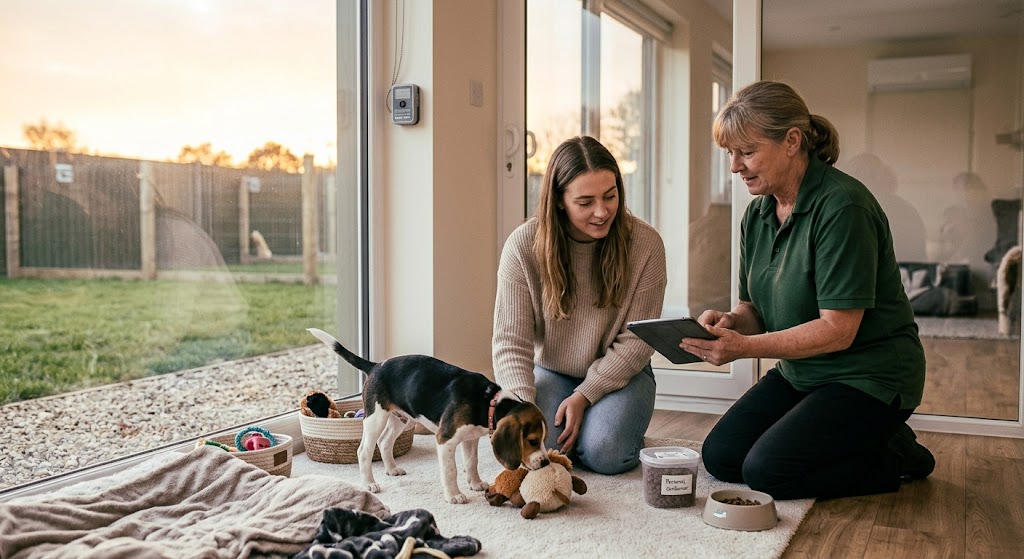
What Owners Should Investigate Before Booking
Arrange an in-person visit whenever possible. Observe the general environment and ask staff to explain their routines. Pay attention to:
- Supervision: How many staff members are responsible for the dogs during different shifts?
- Sleeping arrangements: Do dogs have suitable individual resting spaces?
- Cleanliness: Are food bowls, bedding, floors, and shared areas cleaned regularly?
- Exercise: How frequently are dogs taken outside, and are activities appropriate for their age and temperament?
- Social interaction: Are dogs grouped according to size, temperament, play style, and compatibility?
- Health monitoring: How does the facility identify changes in appetite, stool consistency, energy, or behavior?
- Emergency procedures: What happens if a dog becomes injured or develops symptoms of illness?
The distinction between supervision and simply having staff present is particularly important. Employees may be working inside a building without continuously observing every dog. Owners should ask what active monitoring actually involves.
A Facility That Cannot Answer Questions Clearly Deserves Caution
Professional boarding operators should be able to explain their policies without becoming defensive or vague.
For example, if an owner asks how the facility manages a dog that refuses meals, the response should describe a practical monitoring process. Saying that dogs eventually eat when they become hungry is not an adequate substitute for observing food intake and identifying possible medical concerns.
Similarly, a facility should explain whether dogs are ever left unattended, how overnight checks are performed, and how staff respond to barking, fighting, or signs of distress.
A useful rule: Never choose Dog Boarding solely because it is inexpensive, nearby, or visually attractive. Operational transparency is a much stronger indication of whether a facility is suitable.
Treating Vaccination Records as a Last-Minute Requirement
Another mistake is postponing vaccination checks until a few days before the boarding reservation.
Many boarding facilities require proof of particular vaccinations before accepting a dog. These requirements help reduce the risk of infectious disease transmission in an environment where several animals may share indoor spaces, outdoor areas, equipment, or air circulation.
However, vaccination policies differ between facilities and locations. Owners should never assume that a vaccination record accepted by one kennel will automatically satisfy another facility’s requirements.
Which Vaccinations May Be Required?
Depending on local veterinary recommendations and facility policies, Dog Boarding providers may request documentation of vaccinations against:
- Canine distemper.
- Canine parvovirus.
- Canine adenovirus.
- Rabies, where legally required.
- Bordetella, commonly associated with kennel cough.
- Canine influenza, where relevant to local risk and facility policy.
Core vaccines protect against serious infectious diseases. Other vaccinations may be recommended according to a dog’s exposure, local disease patterns, and veterinary assessment.
The distinction between a vaccine being recommended and being required for admission matters. Owners should obtain the facility’s written vaccination policy before making a reservation.
Why Timing Matters
Some vaccines require time to produce an adequate immune response. A dog receiving a vaccine immediately before boarding should not automatically be considered fully protected.
A veterinarian can determine whether the dog’s vaccination history is current and whether any additional preparation is necessary. This is especially important for puppies, older dogs, animals with chronic illnesses, and dogs with incomplete medical records.
Owners should also discuss parasite prevention. Fleas, ticks, and intestinal parasites can create problems in shared environments, and facilities may have their own treatment requirements.
Better approach: Request the vaccination policy when first contacting the Dog Boarding facility. Send the records to the provider in advance and ask for confirmation that the documents meet its admission requirements.
Skipping the Trial Stay Before a Long Reservation
A dog that behaves comfortably at home may react differently when separated from familiar people and surroundings.
First-time owners sometimes make the mistake of booking a week-long Dog Boarding stay without first allowing their dog to experience the facility. They may believe that a friendly temperament guarantees an easy adjustment.
Unfortunately, sociability at home does not necessarily predict comfort in an unfamiliar boarding environment.
A dog may enjoy meeting visitors but become unsettled when sleeping in a different room. Another may tolerate other dogs outdoors but become uncomfortable around unfamiliar animals near food or resting areas.
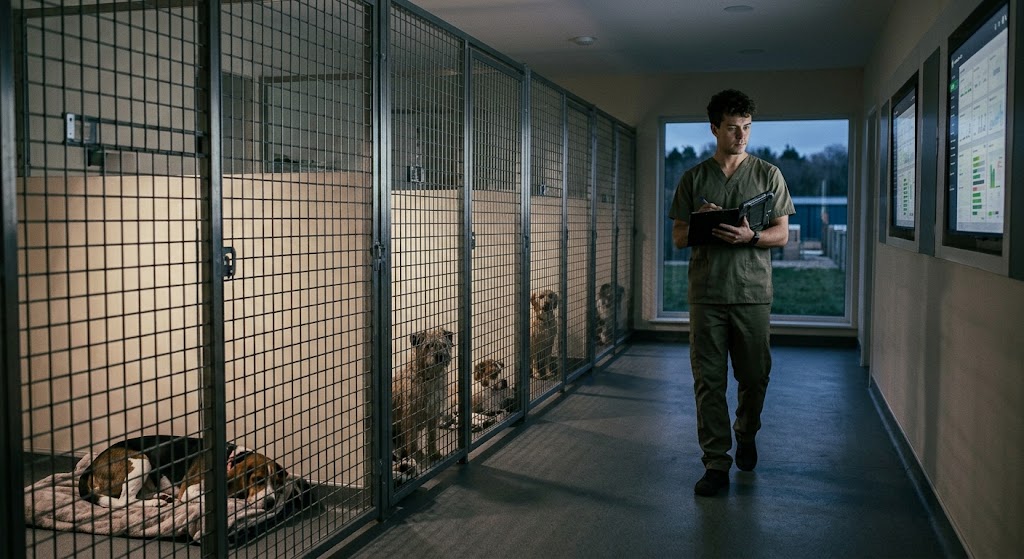
How a Trial Stay Helps
A short introductory visit gives the dog an opportunity to encounter unfamiliar smells, sounds, people, routines, and surroundings before a longer separation.
A sensible progression might involve:
- A brief facility visit with the owner.
- A short supervised introduction with staff.
- A few hours of daytime care.
- A single overnight stay, if appropriate.
- A longer reservation after reviewing how the dog responded.
Not every dog needs every stage, and the progression should depend on the dog’s individual behavior and the facility’s procedures.
What Should Owners Observe After the Trial?
The dog’s behavior after returning home can provide useful information.
Look for changes such as:
- Unusual tiredness that lasts longer than expected.
- Reduced appetite.
- Increased clinginess.
- Restlessness or difficulty settling.
- New avoidance of unfamiliar people or places.
- Changes in normal toileting habits.
- Unusual fear when approaching the car or facility.
A single behavioral change does not prove that the boarding experience was harmful. Excitement, disrupted sleep, and temporary adjustment can influence behavior. The important question is whether the dog returns to its normal routine or continues showing signs of difficulty.
A trial stay also allows the facility to identify practical concerns. Staff may discover that a dog needs a quieter sleeping area, prefers individual exercise, or requires more time to become comfortable with handling.
For first-time owners, this is valuable information that is much better discovered during a short stay than halfway through a long reservation.
Providing Incomplete Feeding Instructions
Food is often treated as a simple detail in Dog Boarding arrangements. Owners pack a container of dog food, tell the staff how many meals the animal usually eats, and assume the information is sufficient.
In reality, feeding instructions can influence digestive health, appetite monitoring, medication administration, and the dog’s ability to maintain a familiar routine.
An unfamiliar environment may already affect appetite. Changing the food at the same time can make the situation more difficult.
What a Complete Feeding Plan Should Include
Written instructions should explain:
- The exact food brand and product.
- The amount given at each meal.
- Normal feeding times.
- Whether food should be served dry or mixed with water.
- Whether treats are permitted.
- Any food allergies or known intolerances.
- Whether meals need to be separated from other dogs.
- Whether medication must be given with food.
- What to do if the dog refuses a meal.
Measurements should be specific. Instead of writing “give a normal bowl,” state the approximate amount using a consistent measuring cup or weight.
Owners should provide enough familiar food for the entire stay, plus a reasonable reserve in case the return journey is delayed.
Why Sudden Food Changes Can Create Problems
A sudden dietary change can cause gastrointestinal upset in some dogs. Loose stools, vomiting, reduced appetite, or abdominal discomfort may develop for several reasons, including dietary changes and environmental stress.
When several factors change simultaneously, identifying the cause becomes more difficult.
For this reason, owners should generally avoid introducing a new food immediately before boarding unless a veterinarian recommends it.
Feeding Instructions Should Include Monitoring
A boarding provider should record whether the dog eats normally rather than simply placing food in a bowl.
A dog that misses one meal may be experiencing temporary adjustment. However, repeated refusal, vomiting, diarrhea, weakness, or other concerning symptoms require closer assessment.
Staff should know when to contact the owner and when veterinary advice is necessary. A dog with diabetes, kidney disease, gastrointestinal problems, or another medical condition may need a more carefully managed feeding schedule.
Forgetting to Establish Emergency Contacts and Veterinary Arrangements
First-time owners often provide their own telephone number and assume this completes the emergency arrangements.
It does not.
Owners may be travelling, sleeping, working in an area without reliable mobile reception, or temporarily unable to answer calls. If a dog becomes seriously ill or injured, uncertainty about who can authorize treatment may delay important decisions.
Build a Proper Emergency Contact Plan
Before Dog Boarding begins, provide:
- Your primary telephone number.
- A secondary contact who can make decisions if you are unavailable.
- Your regular veterinarian’s contact details.
- The details of an emergency veterinary hospital, if known.
- Written permission describing how the facility should seek veterinary care.
- Relevant medical history, allergies, and medication instructions.
Ask the facility which veterinary practice it normally uses and whether emergency transportation is available.
Clarify Financial Authorization
Emergency treatment can involve unexpected expenses. Owners should discuss how the facility handles veterinary costs, who pays initially, and what spending authorization is required.
A written agreement should explain the process for obtaining treatment if the owner cannot be reached.
It is unreasonable to expect boarding staff to make every medical decision independently, but they must also have a clear procedure for responding to urgent situations.
For example, a dog showing signs of breathing difficulty should not be left waiting for a routine owner callback. Staff should follow their emergency protocol and obtain immediate veterinary assistance.
The best arrangements establish both communication and medical decision-making before the dog arrives.
Assuming That Every Dog Enjoys Group Play
Many Dog Boarding facilities advertise group play as a major benefit. Owners may assume their dog will enjoy spending time with several unfamiliar animals.
However, social behavior is not universal. Some dogs enjoy carefully supervised group activities, while others are more comfortable with individual exercise.
A dog can be friendly without enjoying constant interaction.
Recognizing Different Social Needs
Dogs communicate through posture, facial expression, movement, vocalization, and changes in distance. Their responses can become more complicated when they are surrounded by unfamiliar animals.
Signs that a dog may be uncomfortable include:
- Repeated attempts to move away from other dogs.
- Hiding behind staff or avoiding the play area.
- Persistent lip licking or yawning in stressful situations.
- A tucked tail or unusually lowered body posture.
- Freezing when another dog approaches.
- Repeated growling or snapping when personal space is ignored.
These signs should be interpreted in context. A single yawn is not proof of anxiety, and growling is communication that a dog is uncomfortable, not simply evidence of bad behavior.
Ask About Individualized Activities
Owners should ask whether the facility offers individual walks, quiet exercise periods, separate feeding, and alternative arrangements for dogs that do not enjoy group play.
Puppies, elderly dogs, animals recovering from illness, and dogs with a history of fear or reactivity may need different arrangements.
A suitable boarding environment does not force every dog into the same activity schedule. Good care recognizes that emotional comfort and physical exercise are related but separate needs.
Ignoring the Importance of Familiar Routines and Belongings
A boarding facility introduces several changes at once: unfamiliar people, different sleeping arrangements, new sounds, altered schedules, and separation from family members.
For some dogs, these changes are manageable. For others, the combined effect can produce significant adjustment difficulties.
Owners sometimes make the mistake of changing several routines just before the reservation. They may introduce a new bed, new food, a different walking schedule, and unfamiliar equipment all at once.
This removes familiar reference points at precisely the time the dog needs consistency.
Prepare the Dog Gradually
Where the facility permits it, provide familiar items such as:
- A washable blanket with familiar household smells.
- A familiar bed, if safe and practical.
- The dog’s regular food.
- A favorite safe toy.
- A familiar walking harness.
- A written description of the dog’s usual daily schedule.
Not every item is appropriate for every facility. Toys that can be swallowed, damaged bedding, or objects that create resource-guarding problems may be unsuitable in shared spaces.
The goal is not to recreate the home environment completely. It is to preserve familiar elements that help the dog settle.
Owners should also maintain normal exercise and feeding routines before departure rather than exhausting the dog in an attempt to make it sleep throughout the stay.
Failing to Recognize Warning Signs During Dog Boarding
One of the most consequential mistakes is assuming that a boarding facility will automatically report every problem.
Communication arrangements vary. Some providers send daily photographs, feeding updates, and short behavioral reports. Others contact owners only when a significant issue develops.
Owners should agree on the frequency and type of updates before leaving their dog.
Physical Warning Signs
Staff should monitor for:
- Repeated vomiting.
- Persistent diarrhea.
- Refusal to eat or drink.
- Coughing, sneezing, or unusual nasal discharge.
- Limping or difficulty walking.
- Unusual lethargy.
- Excessive scratching or skin irritation.
- Changes in urination or defecation.
- Signs of pain or abdominal discomfort.
Some symptoms may have relatively minor causes, but others can indicate conditions requiring veterinary assessment.
Difficulty breathing, collapse, seizures, severe bleeding, suspected poisoning, and sudden inability to stand should be treated as emergencies.
Behavioral Warning Signs
Emotional and behavioral changes deserve equal attention.
A dog that remains withdrawn, repeatedly attempts to escape, refuses normal interaction, or shows persistent fear may be struggling to cope with the environment.
Other concerning changes include:
- Continuous pacing.
- Repeated distress vocalization.
- Persistent trembling without an obvious physical cause.
- Unusual aggression or defensive behavior.
- Inability to settle or rest.
- Repeated attempts to hide.
- Sudden loss of interest in familiar activities.
The absence of visible injury does not mean a dog is comfortable. Emotional distress can affect appetite, sleep, activity, and general well-being.
Ask Specific Questions Rather Than Accepting General Reassurance
When receiving an update, owners should ask:
- Did my dog eat the expected amount?
- Has water intake appeared normal?
- Has the dog passed stool and urine normally?
- How has the dog behaved around staff?
- Is the dog resting comfortably?
- Has the dog interacted appropriately with other animals?
- Have there been any changes since the previous update?
A statement such as “Everything is fine” provides limited information. Specific observations help owners understand what is actually happening.
Making the Drop-Off and Collection Process More Difficult Than Necessary
The first and last moments of a Dog Boarding stay can influence how smoothly the transition occurs.
Some owners prolong the goodbye because they feel guilty about leaving their dog. Others arrive late, provide essential instructions verbally, or forget medication and emergency paperwork.
These small mistakes can create unnecessary pressure for both the dog and the boarding staff.
A Better Drop-Off Routine
Prepare all paperwork and belongings before arrival. Make sure the facility has the correct feeding schedule, medical information, emergency contacts, and collection arrangements.
Keep the goodbye calm and reasonably brief. Avoid dramatic emotional behavior that may increase the dog’s uncertainty.
Owners should not interpret a dog appearing excited or unconcerned at drop-off as proof that the dog does not care about separation. Equally, a dog that whines briefly is not necessarily experiencing severe separation anxiety.
Staff should take over the transition confidently and explain what will happen next.
Plan the Return Home
After collection, allow the dog time to settle. Some dogs sleep more than usual after boarding, while others may appear unusually energetic.
Maintain familiar meals, exercise, and rest periods. Avoid immediately arranging crowded social activities or introducing several new experiences.
If concerning physical symptoms or persistent behavioral changes develop, consult a veterinarian rather than assuming that everything is simply part of returning home.
Overlooking the Difference Between a Suitable Facility and a Suitable Facility for Your Dog
A boarding provider can operate responsibly and still be unsuitable for a particular animal.
This is an important distinction for first-time owners. They often search for the highest-rated facility rather than the one that best matches their dog’s needs.
A young, highly social dog may thrive in a facility with structured group activities. An elderly dog with joint discomfort may need a quieter environment, fewer stairs, and more frequent opportunities to rest.
A nervous rescue dog may benefit from individual attention and gradual introductions rather than a busy communal setting.
Match the Care Environment to the Individual Dog
Consider the following factors before making a final decision:
| Dog’s needs | What to look for in Dog Boarding |
|---|---|
| Separation-related distress | Gradual introductions, consistent staff, clear monitoring |
| Older age | Comfortable bedding, suitable exercise, medication support |
| Medical conditions | Reliable medication administration and veterinary procedures |
| High activity levels | Structured exercise and adequate rest |
| Fear of unfamiliar dogs | Individual activities and controlled interactions |
| Dietary sensitivities | Strict food separation and written feeding instructions |
| Limited mobility | Accessible sleeping and exercise areas |
This approach moves the decision away from advertising claims and toward practical suitability.
A responsible facility should be willing to explain which dogs it can accommodate and where its limitations lie.
11. A Practical First-Time Dog Boarding Checklist
Owners can avoid many preventable problems by completing a structured preparation process.
Before booking
- Visit the facility and observe its environment.
- Ask about staff supervision and overnight arrangements.
- Review cleaning, disease-control, and emergency procedures.
- Confirm the facility’s vaccination and parasite-prevention requirements.
- Ask about feeding, exercise, and sleeping arrangements.
- Check whether the facility can accommodate your dog’s medical and behavioral needs.
Before the stay
- Arrange a short introductory visit or trial stay.
- Obtain veterinary advice if the dog has health concerns.
- Prepare vaccination and medical records.
- Pack enough familiar food.
- Write down feeding and medication instructions.
- Provide primary and secondary emergency contacts.
- Agree on update frequency and veterinary authorization.
- Confirm drop-off and collection times.
During the stay
- Request meaningful updates.
- Check appetite, activity, toileting, and general behavior.
- Ask about any unusual changes.
- Remain reachable for important decisions.
- Discuss concerns promptly rather than waiting until collection.
After collection
- Allow time for rest and adjustment.
- Return gradually to normal routines.
- Monitor appetite, digestion, sleep, and behavior.
- Contact a veterinarian if symptoms are persistent or concerning.
- Evaluate the facility experience before making another reservation.
12. What Responsible Dog Boarding Operators Should Understand About First-Time Owners
The responsibilities of a boarding facility extend beyond providing food, shelter, and exercise. First-time owners may not know which questions to ask, which documents to prepare, or how to recognize whether a dog is adjusting well.
A professional provider should therefore treat owner education as part of the service.
A useful admission process includes a detailed questionnaire covering the dog’s medical history, vaccination status, diet, medication, temperament, previous boarding experiences, fears, and behavioral triggers.
Staff should also explain what information owners will receive during the stay. If daily updates are offered, the facility should make clear whether they include photographs, feeding reports, health observations, or general behavioral notes.
The facility should avoid promising that every dog will settle immediately. Adjustment varies according to individual temperament, past experiences, health, and the environment.
Good communication also requires honesty. If a dog repeatedly refuses meals, develops diarrhea, becomes unusually withdrawn, or struggles with other animals, the owner should receive a clear explanation of what staff have observed and what action is being taken.
Facilities benefit from this approach too. Better information at admission helps employees make suitable decisions, reduces avoidable misunderstandings, and improves consistency between shifts.
A boarding operation that understands the concerns of first-time owners is more likely to build realistic expectations and establish a productive relationship before problems occur.
Making the First Dog Boarding Experience a Safer One
The first Dog Boarding reservation should not be treated as a simple transaction. It is a temporary transfer of responsibility for an animal that depends on familiar routines, reliable supervision, appropriate nutrition, and timely medical care.
Most avoidable problems begin before the actual stay: choosing a facility without investigating its procedures, delaying vaccination checks, skipping introductory visits, providing incomplete feeding information, or failing to establish emergency arrangements.
These mistakes can be prevented through preparation and direct communication.
Owners do not need to find a facility that promises a completely stress-free experience. No boarding provider can guarantee that every dog will adjust immediately to unfamiliar surroundings. What matters is choosing a facility that recognizes individual needs, monitors changes carefully, and responds appropriately when something is wrong.
A well-planned first Dog Boarding experience gives owners something more valuable than temporary accommodation: confidence that their dog’s comfort, health, and safety are being treated as genuine responsibilities rather than routine administrative tasks.