A dog that has lived peacefully with its family for years may suddenly growl, snap, bark aggressively, or attempt to bite after entering a boarding kennel. For owners, this behavior can be alarming, particularly when the dog has never displayed similar reactions at home. Boarding staff may also struggle to understand why an otherwise friendly animal becomes difficult to handle around unfamiliar dogs, people, food bowls, or sleeping areas.
However, aggression during Dog Boarding should not automatically be interpreted as a change in personality or evidence that a dog is naturally dangerous. In many situations, aggressive behavior is a response to an environment the animal finds threatening, unpredictable, painful, or overwhelming.
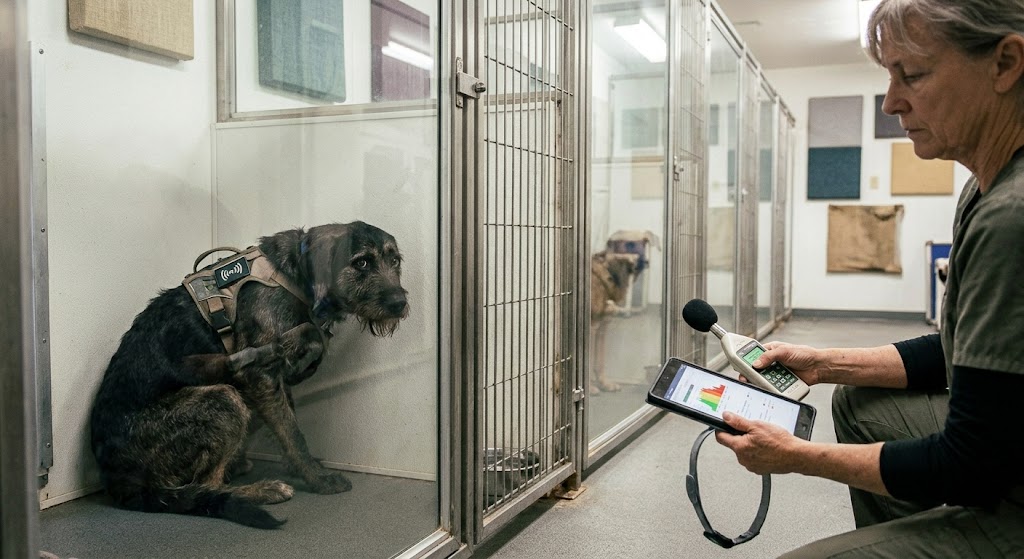
Understanding the reason behind the behavior requires more than observing a growl or a snap. A proper canine behavior assessment examines the circumstances surrounding the reaction, the dog’s body language, its medical condition, previous experiences, and the environmental pressures inside the boarding facility.
The distinction matters. Punishing a dog for defensive communication can increase fear, suppress warning signals, and make future incidents harder to predict. Effective Dog Boarding management begins by identifying what the dog is attempting to communicate.
Understanding Aggression During Dog Boarding
Aggression is not a single emotional state. It describes a collection of behaviors that can include growling, snarling, lunging, snapping, and biting. These behaviors may arise from different motivations, and the same outward reaction can have several possible explanations.
A dog may growl because another animal is approaching its food. Another may bark and lunge because unfamiliar people repeatedly enter its sleeping space. A third may snap when someone touches an injured leg.
Although these reactions look similar, their underlying causes are different.
Aggression Versus Defensive Communication
Dogs communicate discomfort through body language before physical aggression occurs in many situations. Early signals can include:
- Turning the head away.
- Avoiding eye contact.
- Moving away from an approaching person or dog.
- Repeated lip licking.
- Yawning in an uncomfortable situation.
- Lowering the body or tucking the tail.
- Becoming unusually still.
- Showing the whites of the eyes.
- Growling when pressure continues.
These signals should be interpreted in context. For example, yawning can indicate tiredness rather than stress, and a dog looking away does not automatically mean it is afraid.
A growl is particularly important because it can function as a warning. It communicates that the dog wants more distance or that an interaction needs to stop.
Punishing the warning without changing the situation can create additional risk. A dog that learns not to growl may still feel threatened but provide fewer visible signals before escalating.
For Dog Boarding professionals, the objective should be to understand and respond to the communication rather than simply eliminate the behavior.
Fear-Based Aggression: When an Unfamiliar Environment Feels Threatening
Fear is one of the important motivations to investigate when a dog becomes aggressive in a boarding kennel.
A boarding facility introduces unfamiliar people, sounds, smells, animals, sleeping arrangements, and daily routines. Even a dog that behaves confidently at home may feel uncertain when several of these factors change simultaneously.
Fear-related aggression often develops when a dog believes that moving away is difficult or that an approaching person or animal may create danger.
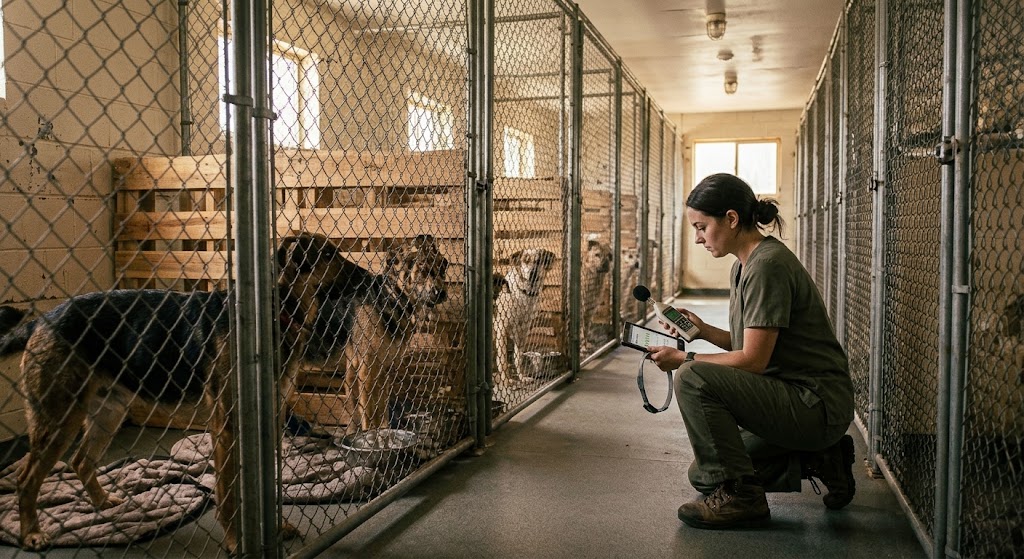
How Fear Develops Inside a Boarding Facility
Consider a dog entering a kennel for the first time. It may initially remain quiet while observing the environment. Later, another dog approaches its enclosure, a staff member reaches toward its collar, or a noisy group gathers nearby.
The dog may respond by moving away, lowering its body, or attempting to hide. If the interaction continues and escape is unavailable, it may growl or snap.
This reaction can become more likely when:
- The dog has limited experience outside its home.
- Previous experiences with unfamiliar dogs have been negative.
- The facility is noisy or crowded.
- Handling occurs too quickly.
- The dog has little opportunity to retreat.
- Several unfamiliar people approach within a short period.
Fear-based aggression should not be confused with a dog deliberately trying to dominate its surroundings. Often, the behavior is an attempt to increase distance from something the animal perceives as threatening.
Assessment and Management
Staff should identify what happened immediately before the reaction. Did someone approach the sleeping area? Was the dog cornered? Did another animal stare, bark, or move toward it?
The first response should be to reduce pressure and provide safe distance.
Staff should avoid forcing physical contact, cornering the dog, or repeatedly testing whether it will tolerate the same interaction. A quieter space, predictable routine, and controlled handling may help reduce the immediate stress.
Dogs showing persistent fear or defensive aggression may need assessment by a qualified veterinary behavior professional or an appropriately credentialed behavior specialist.
Territorial Responses: Protecting Familiar or Assigned Spaces
Some dogs display aggressive behavior around sleeping areas, kennel entrances, beds, or enclosed spaces. This may appear territorial, although the motivation is not always straightforward.
A kennel can become an important resting area. When another dog or unfamiliar person approaches, the resident dog may attempt to maintain distance through barking, growling, or lunging.
Why Enclosures Can Increase Defensive Reactions
An enclosure limits movement. At home, a dog that dislikes an approaching visitor may walk into another room. Inside a kennel, its options may be restricted.
The physical arrangement can therefore influence behavior.
Potential triggers include:
- Another dog approaching the kennel door.
- Staff reaching through an enclosure.
- Dogs walking repeatedly past the sleeping area.
- Unexpected handling while the dog is resting.
- A lack of visual barriers between neighboring dogs.
A dog that appears aggressive at its kennel entrance may behave calmly during an individual outdoor walk. This difference is useful because it suggests that the behavior is connected to a particular context rather than occurring consistently across all situations.
What Boarding Staff Should Do
Facilities should assess whether kennel placement contributes to the reaction. Dogs that become distressed by constant visual contact with neighboring animals may benefit from a quieter location or partial visual barriers where safe and appropriate.
Staff should avoid reaching directly into an occupied resting space without considering the dog’s response. Where possible, dogs should be encouraged to move voluntarily before staff handle bedding, food bowls, or other belongings.
The aim is to make the resting area predictable and reduce unnecessary confrontations.
Resource Guarding: Food, Toys, Bedding, and Personal Space
Resource guarding is another important cause of aggressive behavior during Dog Boarding.
A dog may growl, stiffen, snap, or bite when it believes another animal or person may take something valuable. Common guarded resources include food, treats, toys, resting areas, and objects collected from the environment.
Resource guarding is not limited to food aggression. Some dogs protect a favorite blanket, a particular bed, or even access to a person.
Why Boarding Can Make Resource Guarding More Noticeable
At home, a dog may eat in a quiet kitchen without competition. In a boarding facility, unfamiliar dogs may be nearby, and the dog may be uncertain about access to food or personal space.
The presence of unfamiliar animals can change the context in which the dog evaluates resources.
For example, a dog that has never guarded food from its family may become tense when another dog approaches its bowl. This does not necessarily mean the dog has suddenly developed a permanent behavioral problem. It may reflect the unfamiliar social conditions.
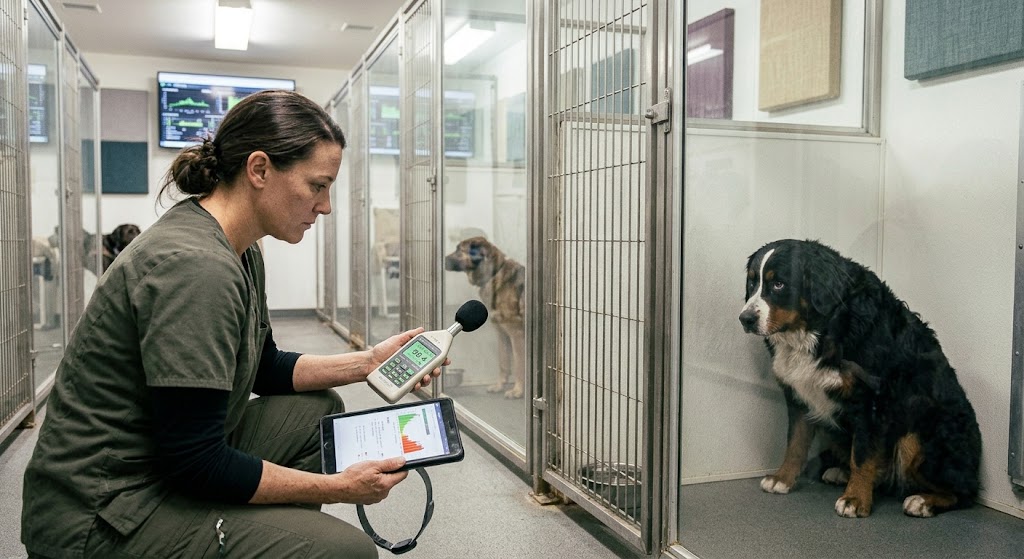
Preventing Resource-Related Incidents
A responsible Dog Boarding facility should have clear resource-management procedures.
These include:
- Feeding dogs separately.
- Removing food bowls after meals.
- Avoiding shared high-value treats.
- Preventing unsupervised competition over toys.
- Providing individual resting spaces.
- Recognizing early guarding signals.
- Avoiding forced removal of guarded objects.
Staff should not test a dog’s tolerance by repeatedly taking food away or placing hands near its bowl. Such exercises can increase conflict and are not a substitute for a professionally designed behavior modification plan.
Owners should disclose any known guarding history during admission, even if it has only occurred occasionally.
Pain and Medical Conditions: The Overlooked Causes of Aggression
A dog that suddenly becomes aggressive during Dog Boarding may be experiencing physical discomfort.
Pain can lower a dog’s tolerance for handling, movement, noise, and social contact. An animal that normally accepts being touched may growl when staff attempt to lift it, brush it, inspect its paws, or attach a leash.
The behavior may appear to be a training problem when the underlying issue is medical.
Conditions That May Contribute to Defensive Behavior
Potential causes include:
- Arthritis and joint inflammation.
- Back or neck pain.
- Dental disease.
- Ear infections.
- Skin irritation or wounds.
- Abdominal discomfort.
- Recent surgical procedures.
- Neurological conditions.
- Other illnesses that affect comfort or behavior.
Older dogs may be particularly vulnerable because chronic discomfort can develop gradually. A dog may also have a condition that is not immediately obvious during a routine visual inspection.
Recognizing Pain-Related Aggression
Warning signs can include:
- Flinching when touched.
- Reluctance to stand or walk.
- Limping.
- Difficulty climbing stairs.
- Unusual sensitivity around the head, back, or limbs.
- Reduced appetite.
- Changes in sleeping posture.
- Aggression that occurs only during particular handling procedures.
Staff should not assume that a dog is being difficult when it resists touch. Sudden or unexplained aggression warrants veterinary assessment, particularly when accompanied by physical changes.
Owners should provide information about existing medical conditions, recent injuries, medication, and previous pain-related reactions before boarding begins.
Overstimulation: When the Environment Becomes Too Much
Boarding kennels can contain multiple sources of stimulation. Continuous barking, unfamiliar movement, cleaning equipment, feeding routines, visitors, and group activities may create an environment that some dogs struggle to manage.
Overstimulation occurs when the combined demands of the environment exceed a dog’s ability to remain comfortable and regulated.
It is not always obvious. A dog may initially appear excited, active, or highly alert before becoming irritable and less tolerant of interaction.
The Connection Between Arousal and Aggression
Arousal describes the level of physiological and emotional activation. Moderate arousal can support attention and activity, but excessive arousal may interfere with a dog’s ability to respond calmly.
For example, a dog participating in prolonged group play may become increasingly excited. If another dog approaches while it is already highly stimulated, a minor disagreement can escalate into barking, snapping, or physical conflict.
Repeated interruptions to sleep and rest can make the situation harder to manage.
Signs that a dog may need a break include:
- Persistent pacing.
- Excessive barking.
- Difficulty settling.
- Repeated mounting or chasing.
- Increased sensitivity to ordinary handling.
- Rapid escalation during play.
- Avoidance of other dogs after an active period.
Reducing Environmental Pressure
Facilities should provide quiet resting areas and avoid treating constant activity as a measure of good care.
Group play should be structured and supervised. Dogs should have opportunities to disengage, rest, and participate in individual activities.
Some dogs benefit from shorter social sessions, while others may be more comfortable with individual exercise.
A well-managed Dog Boarding environment recognizes that physical activity without sufficient recovery time can become counterproductive.
Unfamiliar Social Situations and Canine Compatibility
Not every dog enjoys meeting unfamiliar animals. A dog may be comfortable with familiar household pets but react defensively when placed in a group of strangers.
Social compatibility depends on more than size or breed. Temperament, previous experiences, communication style, play preferences, age, health, and individual tolerance all influence how dogs interact.
Why Grouping Dogs Incorrectly Creates Risk
A small, quiet dog may feel overwhelmed by a large, energetic playmate. Two dogs with similar physical strength may still have incompatible play styles.
Problems can also develop when one dog repeatedly ignores another dog’s attempts to disengage.
Early warning signs include:
- Repeated avoidance.
- Stiff posture.
- Fixed staring.
- Blocking another dog’s movement.
- Persistent chasing.
- Escalating vocalization.
- Repeated attempts to interrupt another dog’s rest.
These behaviors require contextual assessment. Not every chase or bark is aggressive, but repeated interactions that leave one dog unable to disengage should not be ignored.
Individual Assessment Before Group Play
Before introducing dogs, staff should review their history and observe their behavior in controlled circumstances.
A dog’s friendly behavior during a short introduction does not guarantee that it will remain comfortable during prolonged group exposure.
Facilities should be prepared to separate dogs when necessary. Individual exercise and quiet care are valid alternatives to group play, not signs of inadequate service.
How to Conduct a Proper Canine Behavior Assessment
When aggression occurs during Dog Boarding, staff should document the incident rather than relying on labels such as “aggressive dog” or “bad temperament.”
A useful assessment examines the events leading up to the behavior and the conditions that followed.
The Five-Part Assessment
1. Identify the trigger
What happened immediately before the dog reacted? Was there an approaching dog, food bowl, unfamiliar person, sudden noise, or physical touch?
2. Record the body language
Did the dog attempt to move away? Was its body stiff? Did it freeze, growl, bark, or snap? Which signals appeared first?
3. Examine the environment
Was the area crowded, noisy, confined, or unfamiliar? Was the dog resting, eating, playing, or being handled?
4. Review medical and behavioral history
Does the dog have previous guarding behavior, fear-related reactions, injuries, medication requirements, or a history of difficult social interactions?
5. Evaluate the response
Did the dog settle after receiving distance? Did the behavior continue in a quieter environment? Did it occur only during one type of interaction?
A written incident record helps identify patterns. If the same dog reacts whenever another animal approaches its food, the facility can develop a specific feeding-management plan rather than treating every incident as unrelated.
What Staff Should Do When a Dog Displays Aggression
The immediate priority is preventing injury and reducing the pressure that contributed to the reaction.
Staff should avoid shouting, physical punishment, forced restraint, or confrontational handling. These responses can intensify fear and increase the risk of escalation.
Instead, the facility should:
- Create safe distance between the dog and the trigger.
- Separate other animals without creating additional confrontation.
- Stop the activity that appears to be causing distress.
- Allow the dog to settle in an appropriate secure area.
- Check for possible injury or medical concerns without unnecessary handling.
- Document the circumstances and visible behavior.
- Inform the owner according to the facility’s communication policy.
- Seek veterinary or qualified behavioral guidance when indicated.
If a bite occurs, the facility should follow its incident, medical, and local reporting procedures. The dog should not be subjected to informal punishment or provocative testing afterward.
Repeated or severe aggression requires an individualized safety plan. In some cases, the safest and most humane decision may be to discontinue group boarding or recommend a different type of care.
How Dog Owners Can Reduce Aggression Risks Before Boarding
Owners can help facilities make better decisions by providing accurate information before the reservation.
Do not hide previous growling, snapping, food guarding, or fear-related behavior because of concern that the facility may refuse admission. Concealing this history can place the dog, staff, and other animals at risk.
Before booking, owners should:
- Explain the dog’s social history.
- Disclose any known guarding behavior.
- Mention sensitivity to handling or particular sounds.
- Provide medical and vaccination records.
- Arrange an introductory visit.
- Discuss individual exercise options.
- Ask how the facility handles behavioral incidents.
- Confirm whether staff have experience managing fearful or reactive dogs.
A trial stay may help reveal difficulties before a longer reservation. However, it should not be treated as a guarantee that future boarding will be problem-free.
Owners should also seek veterinary advice when aggression is sudden, unusual, or associated with possible pain or illness.
11. When a Boarding Kennel May Not Be the Right Environment
Not every dog is suited to traditional group boarding.
An animal with severe separation-related distress, significant fear of unfamiliar dogs, serious medical needs, or a history of dangerous handling reactions may require a different arrangement.
Alternatives may include:
- Individual in-home pet care.
- A familiar caregiver staying in the dog’s home.
- A qualified professional providing one-to-one care.
- A specialized boarding facility with appropriate staffing and separation arrangements.
- Veterinary-supervised care when medical needs require it.
The best option is the one that meets the dog’s welfare and safety requirements. Keeping a dog in a busy kennel simply because it is a conventional choice may not be appropriate.
12. The Role of Professional Dog Boarding Standards
A responsible Dog Boarding provider should treat aggression as a behavior requiring assessment, not simply as an inconvenience.
This means staff should understand canine body language, recognize warning signs, maintain safe handling procedures, and know when a veterinarian or qualified behavior professional should become involved.
Facilities should also maintain accurate records of behavioral incidents, injuries, medical observations, and management decisions.
A dog that growls when another animal approaches its food needs a different management plan from a dog that snaps when its painful back is touched. Applying the same response to both situations overlooks the reason behind the behavior.
Staff training should emphasize prevention, observation, and safe separation. Where a facility cannot safely accommodate a dog’s needs, it should communicate those limitations honestly rather than promising care it cannot reliably provide.
Aggression Is a Signal That Deserves Investigation, Not an Automatic Label
Aggressive behavior during Dog Boarding can develop from fear, territorial responses, resource guarding, physical pain, overstimulation, or difficult social interactions. Sometimes several of these factors operate together.
The visible reaction is only one part of the picture. Understanding what happened before the growl, snap, or lunge is often more useful than concentrating exclusively on the behavior itself.
For owners, honest disclosure and careful facility selection are essential. For boarding operators, individualized assessment, safe management, and appropriate veterinary support are central responsibilities.
A dog should not be expected to tolerate every unfamiliar interaction simply because it has entered a boarding facility. When its warning signals are recognized early and its environment is adjusted appropriately, many preventable conflicts can be reduced.
The most effective Dog Boarding approach does not attempt to force every dog into the same social routine. It recognizes individual differences and makes safety, emotional comfort, and responsible care the foundation of the boarding experience.