A dog can arrive at a boarding facility appearing perfectly healthy and develop signs of illness within hours or days. Sometimes the first indication is obvious: repeated vomiting, persistent coughing, diarrhea, or difficulty breathing. More often, the earliest warning is much less dramatic. A normally enthusiastic dog may stop greeting staff, leave part of its breakfast untouched, sleep more than usual, or become unusually reluctant to go outside.
These changes are easy to overlook when staff are caring for several animals with different routines and temperaments. They can also be mistaken for ordinary adjustment stress associated with an unfamiliar environment. Yet a subtle behavioral change may be the first visible sign of pain, infection, digestive disease, dehydration, or another developing medical problem.
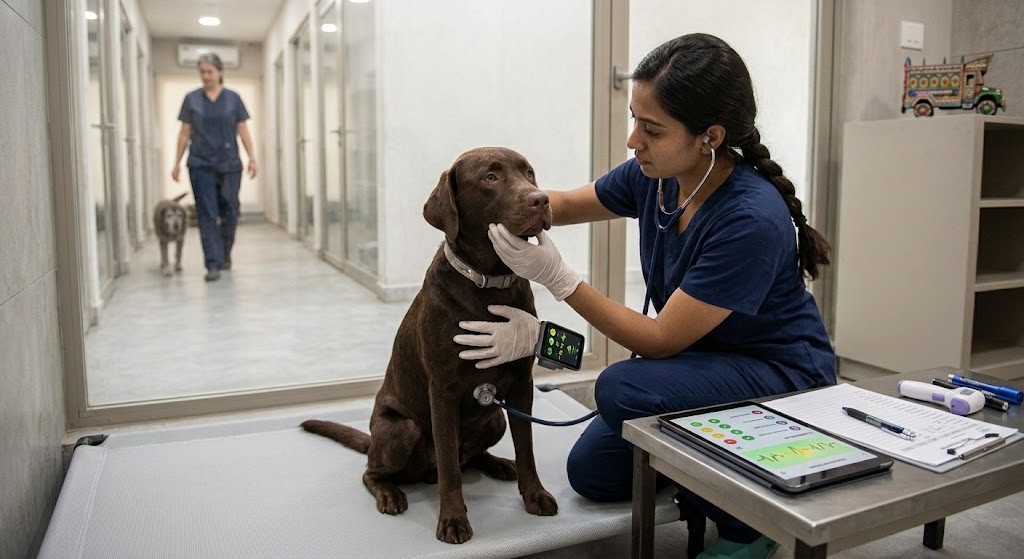
Effective Dog Boarding health monitoring requires more than checking whether a dog appears active. Staff need a consistent method for observing physical symptoms, comparing behavior with the dog’s normal baseline, documenting changes, and deciding how quickly veterinary attention is required.
This guide organizes common warning signs by body system and explains how boarding personnel can distinguish routine observation from situations requiring prompt or emergency veterinary care.
Why Early Illness Detection Matters During Dog Boarding
Dogs cannot explain that they feel nauseated, dizzy, weak, or uncomfortable. They communicate through changes in posture, movement, appetite, facial expression, elimination, sleep, and social interaction.
During Dog Boarding, interpreting these signals becomes more complicated because the animal is outside its familiar environment. A dog may eat less because it is anxious, sleep poorly because of nighttime noise, or avoid interaction because it needs time to adjust.
However, assuming that every change is caused by stress can delay treatment.
Boarding facilities also bring dogs from different households into a shared environment. Depending on vaccination status, exposure history, ventilation, hygiene, and the organisms involved, infectious diseases can spread between animals. Gastrointestinal illness, respiratory infections, and external or internal parasites are among the health concerns that require appropriate screening and monitoring.
The objective is not for boarding staff to diagnose diseases. Their responsibility is to recognize abnormalities, assess urgency, protect other animals when infectious illness is suspected, and arrange veterinary evaluation.
Establishing a Health Baseline Before Boarding
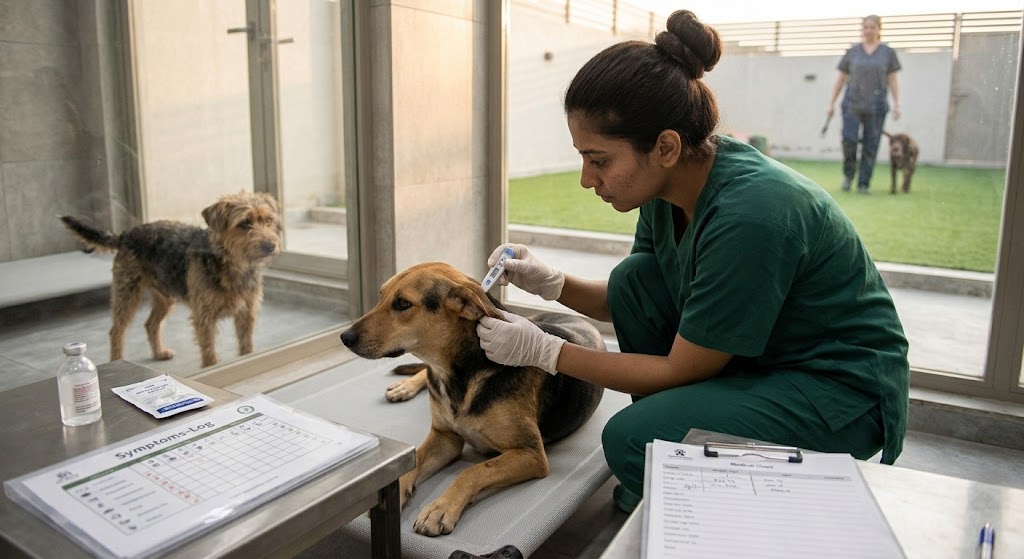
The most useful health observation begins before a dog enters the facility. Without a baseline, staff may struggle to determine whether a behavior is new or simply part of the animal’s normal personality.
A quiet dog that eats slowly may be perfectly healthy. An energetic dog that suddenly refuses food may be experiencing significant discomfort.
Information to collect at admission
A responsible Dog Boarding intake process should establish:
- Normal appetite and usual feeding schedule.
- Typical water consumption.
- Usual urination and bowel movement patterns.
- Existing medical conditions and prescribed medication.
- Previous episodes of vomiting, diarrhea, coughing, or seizures.
- Known allergies and food sensitivities.
- Normal activity level and sleeping habits.
- Mobility limitations or signs of chronic pain.
- Recent contact with sick animals, where known.
- Current vaccination and parasite-prevention information.
Staff should also ask owners about any recent changes in health or behavior. A dog that has experienced reduced appetite or intermittent coughing before arrival may need a different admission decision from one with no recent symptoms.
A short admission assessment can help identify visible abnormalities such as nasal discharge, skin lesions, limping, unusual breathing, or signs of dehydration.
Gastrointestinal Warning Signs: Appetite, Vomiting, and Changes in Stool
Digestive problems are among the most noticeable health concerns during Dog Boarding. Changes in diet, anxiety, scavenging, infectious organisms, parasites, and underlying medical conditions can all affect gastrointestinal function.
Loss of appetite
A dog that skips a meal may simply be adjusting to an unfamiliar environment. However, repeated food refusal or a sudden reduction in appetite deserves attention, especially when accompanied by lethargy, vomiting, diarrhea, or abdominal discomfort.
Staff should record how much food the dog actually consumes rather than writing only “ate normally” or “ate poorly.”
Particular care is needed with puppies, toy breeds, diabetic dogs, and animals with existing medical conditions because prolonged food refusal may create additional risks.
Vomiting
Occasional vomiting can have several causes, including dietary indiscretion, motion-related nausea, stress, or illness. Repeated vomiting, inability to retain water, blood in vomit, marked weakness, or abdominal pain requires prompt veterinary assessment.
Unproductive retching, especially when accompanied by a swollen or painful abdomen, can indicate gastric dilatation-volvulus (GDV), commonly known as bloat. This is a life-threatening emergency, particularly in susceptible large and deep-chested breeds.
Staff must not wait for repeated episodes before contacting a veterinarian when serious warning signs are present.
Diarrhea and abnormal stool
Loose stool may occur after a dietary change or stressful transition. Nevertheless, persistent diarrhea can cause dehydration and may indicate infection, parasites, inflammation, or another gastrointestinal disorder.
Important observations include:
- Frequency and consistency of bowel movements.
- Presence of mucus.
- Fresh blood or black, tarry stool.
- Straining or discomfort during defecation.
- Sudden loss of bowel control.
- Diarrhea accompanied by vomiting or weakness.
Bloody diarrhea, black tarry stool, severe abdominal pain, or diarrhea with significant lethargy requires urgent veterinary attention.
Facilities should remove contaminated waste promptly, clean affected areas appropriately, and prevent shared equipment from transferring infectious material.
Respiratory Signs: Coughing, Sneezing, and Breathing Changes
Respiratory symptoms deserve particular attention in Dog Boarding because some infectious respiratory conditions can spread between dogs.
Canine infectious respiratory disease complex (CIRDC), often associated with the term kennel cough, can involve several viruses and bacteria. Affected dogs may develop coughing, sneezing, nasal discharge, and changes in energy or appetite.
Early respiratory symptoms
Staff should monitor for:
- Repeated dry or harsh coughing.
- Coughing after excitement or exercise.
- Sneezing more frequently than usual.
- Nasal discharge.
- Eye discharge.
- Noisy breathing.
- Reduced willingness to exercise.
- Changes in breathing rate or effort.
A mild cough does not automatically indicate a life-threatening condition. However, coughing should not be dismissed as ordinary excitement, particularly if it persists or is accompanied by fever, lethargy, or reduced appetite.
When breathing becomes an emergency
Difficulty breathing is an emergency regardless of the suspected cause.
Warning signs include pronounced abdominal effort during breathing, open-mouth breathing at rest when not explained by heat or exertion, blue or gray gums, collapse, or an inability to settle because of respiratory distress.
The dog should receive immediate veterinary attention. Staff should minimize handling and exertion while arranging transport.
Suspected infectious respiratory illness also requires separation from other dogs and veterinary guidance about isolation and infection control.
Urinary and Reproductive System Warning Signs
Urinary changes can be overlooked because they may occur outside scheduled observation periods. However, frequent urination, accidents, unusual urine color, and difficulty passing urine may indicate a medical problem.
Potential warning signs include:
- Repeated attempts to urinate.
- Straining or crying during urination.
- Blood in the urine.
- Unusually strong or abnormal urine odor.
- Increased thirst accompanied by increased urination.
- Sudden urinary accidents.
- Very small amounts of urine despite repeated attempts.
A dog that repeatedly strains but produces little or no urine needs emergency veterinary assessment. Urinary obstruction can become life-threatening, particularly in male dogs.
Increased drinking and urination may be associated with diabetes, kidney disease, hormonal disorders, urinary infections, or medication effects. These signs should be documented and discussed with a veterinarian rather than attributed automatically to the boarding environment.
Female dogs that are not spayed may also require monitoring for reproductive health concerns. Unusual vaginal discharge, abdominal enlargement, weakness, vomiting, or increased thirst in an unspayed female can indicate pyometra, a serious uterine infection that requires urgent veterinary treatment.
Skin, Ears, and External Parasite Symptoms
Skin conditions can develop or become more noticeable during a boarding stay. Contact with unfamiliar environments, moisture, parasites, allergies, and infectious organisms may contribute to skin problems.
Staff should look for:
- Persistent scratching or chewing.
- Red or inflamed skin.
- Hair loss or broken hair.
- Scabs, sores, or moist lesions.
- Unusual odor from the skin.
- Head shaking or repeated ear scratching.
- Ear redness or discharge.
- Visible fleas or ticks.
A dog that scratches occasionally may not have a serious condition. Persistent itching, painful skin, spreading lesions, or ear discharge should be reported and assessed.
Ringworm, mange, bacterial skin infections, and certain ear conditions may require veterinary diagnosis and specific treatment. Their appearance can overlap with allergic or irritant conditions, so visual inspection alone is not sufficient to identify the cause.
If a contagious skin disease or parasite infestation is suspected, staff should follow appropriate separation, cleaning, and veterinary instructions.
Neurological and Musculoskeletal Symptoms
Changes in movement or coordination may indicate pain, injury, neurological disease, or systemic illness.
A dog that suddenly stops climbing stairs may have joint pain or a soft-tissue injury. Another dog may develop weakness or poor balance because of a neurological problem.
Staff should observe:
- Limping or uneven weight distribution.
- Difficulty standing or walking.
- Reluctance to move.
- Repeated stumbling.
- Head tilt.
- Circling or unusual repetitive movements.
- Tremors or uncontrolled muscle movements.
- Sudden changes in coordination.
- Seizures or episodes of collapse.
A new limp should be documented and assessed according to its severity. Inability to stand, sudden paralysis, severe pain, collapse, or a seizure lasting more than five minutes requires emergency veterinary attention. Repeated seizures without recovery between episodes are also an emergency.
A dog experiencing a seizure should be protected from nearby hazards. Staff should not restrain the animal or place their hands in its mouth. The episode’s duration and visible characteristics should be recorded for the veterinarian.
Eye and Vision Changes
Eye symptoms can develop quickly and may cause significant discomfort. Dogs may not show obvious distress until a condition has progressed.
Warning signs include:
- Redness or swelling.
- Excessive tearing.
- Thick discharge.
- Squinting or keeping one eye closed.
- Repeated rubbing of the face.
- Cloudiness or a sudden change in eye appearance.
- Sensitivity to light.
- Sudden difficulty navigating familiar spaces.
Squinting, a painful-looking eye, sudden vision loss, or an eye injury warrants prompt veterinary assessment. Some eye conditions can threaten vision if treatment is delayed.
Staff should not apply human eye drops or leftover medication unless specifically instructed by a veterinarian.
Subtle Behavioral Changes: The Signs Staff Can Easily Miss
Physical symptoms are not always the first indication of illness. In many cases, behavioral changes appear before a dog develops obvious signs.
This is especially relevant during Dog Boarding because stress and sickness can produce overlapping behaviors.
Withdrawal and reduced social interaction
A dog that normally approaches people may begin avoiding contact, hiding in its bed, or remaining unusually still. Withdrawal can be associated with pain, fever, nausea, exhaustion, or emotional distress.
Unusual restlessness
Repeated pacing, inability to settle, frequent repositioning, or persistent whining may indicate anxiety. However, these behaviors can also occur when a dog experiences abdominal pain, urinary discomfort, or respiratory difficulty.
Changes in posture and facial expression
A lowered head, tense body, hunched posture, tucked abdomen, flattened ears, or reluctance to lie down may indicate discomfort.
Some dogs become unusually defensive when approached or touched. A normally friendly animal may growl because a painful area is being handled.
Sleep and energy changes
Sleeping more than usual may reflect ordinary adjustment, but pronounced lethargy is different from simply resting. A dog that is difficult to wake, unwilling to stand, or uninterested in normal activities needs assessment.
Staff should compare current behavior with the dog’s admission baseline and ask owners whether similar changes have occurred at home.
A Practical Dog Boarding Symptom Triage System
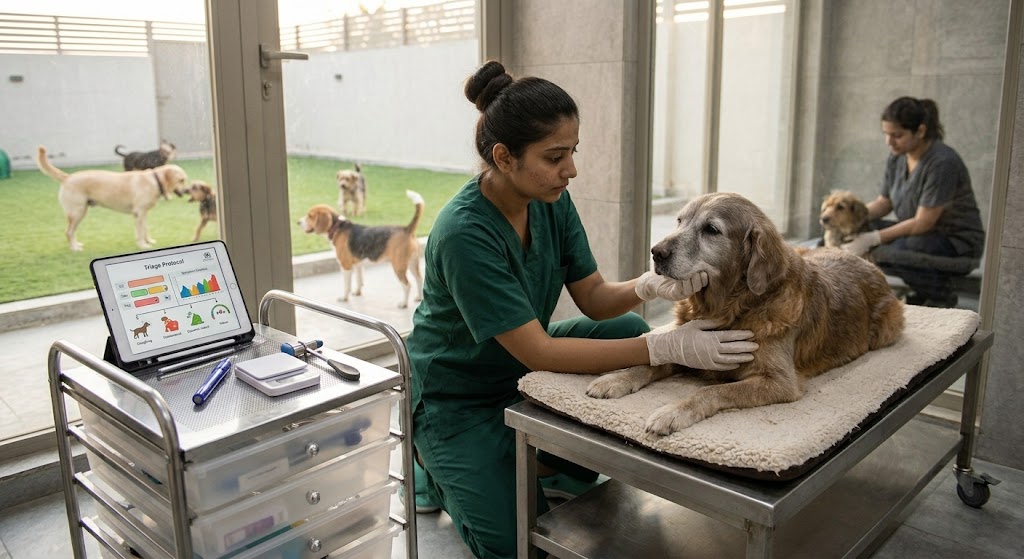
Not every abnormality requires emergency transport, but every meaningful change should be assessed. A simple three-level triage system helps staff respond consistently.
Level 1
Routine observation and documentation
Examples may include:
- A single slightly reduced meal in an otherwise alert adult dog.
- Mild, brief adjustment-related hesitation.
- One isolated soft stool without other symptoms.
- Temporary reluctance to interact while the dog remains comfortable and responsive.
Staff should record the observation, check the dog again, and contact the owner or veterinarian if the issue persists or worsens.
Level 2
Prompt veterinary advice or assessment
Examples include:
- Repeated vomiting or diarrhea.
- Persistent coughing or nasal discharge.
- Noticeable appetite loss.
- New limping or moderate pain.
- Unusual lethargy or behavioral changes.
- Frequent urination or painful urination when the dog can still pass urine.
- Persistent itching, skin lesions, or ear discharge.
Staff should contact the owner and arrange veterinary advice or examination promptly. Suspected contagious illness should trigger appropriate separation.
Level 3
Immediate emergency veterinary attention
Warning signs include:
- Difficulty breathing or blue/gray gums.
- Collapse or unresponsiveness.
- Repeated unproductive retching with abdominal swelling.
- Severe bleeding or major trauma.
- Suspected poisoning.
- Inability to urinate.
- Seizures lasting more than five minutes or repeated seizures without recovery.
- Sudden paralysis or inability to stand.
- Severe weakness, heatstroke signs, or rapidly deteriorating condition.
Staff should contact an emergency veterinary service immediately and arrange transport. Owner notification should happen without delaying necessary emergency care.
This system is a practical operational guide, not a diagnostic tool. A veterinarian may recommend a higher level of urgency based on the dog’s age, medical history, symptoms, and overall condition. When staff are uncertain, they should seek veterinary advice rather than wait for symptoms to become more severe.
Monitoring Dogs During Every Boarding Shift
A reliable monitoring system should not depend on one employee remembering what happened earlier in the day. Information must remain accessible when staff members change shifts.
A daily observation record can include:
| Monitoring area | What staff should record |
|---|---|
| Appetite | Food offered, amount consumed, refusal |
| Hydration | Drinking behavior and unusual changes |
| Stool | Frequency, consistency, blood or mucus |
| Urination | Frequency, volume changes, discomfort |
| Breathing | Coughing, effort, unusual sounds |
| Mobility | Walking, standing, limping, stiffness |
| Behavior | Interaction, anxiety, withdrawal, alertness |
| Skin and eyes | Redness, discharge, itching, injuries |
| Medication | Dose, time, and administration record |
Observations should be specific. “Dog seemed unwell” is less useful than “refused breakfast, vomited twice, and remained lying down during the morning walk.”
Where possible, staff should record when a symptom began, how often it occurred, and whether it changed. These details can help a veterinarian assess the situation more accurately.
Isolation, Hygiene, and Protecting Other Dogs
When an infectious condition is suspected, the facility must consider the health of every dog on the premises.
A symptomatic dog may need temporary separation in an appropriate area while the facility contacts a veterinarian. Staff should use separate bowls, bedding, cleaning equipment, and other supplies where appropriate.
Hand hygiene, appropriate protective equipment, waste disposal, ventilation, and cleaning procedures help reduce the risk of transmission. Cleaning removes dirt and organic material, while disinfection uses an appropriate product to reduce specific microorganisms. The product must be suitable for the suspected organism and used according to its label instructions.
Staff should not return an affected dog to shared group activities simply because it appears more energetic. Decisions about isolation and return to communal areas should follow veterinary advice and relevant infection-control procedures.
Communicating With Owners and Veterinary Professionals
Clear communication is essential when a dog becomes unwell during Dog Boarding. Owners should receive timely information about significant symptoms, veterinary recommendations, and any treatment arranged.
The facility should maintain current emergency contact details and obtain written authorization for veterinary treatment arrangements. Staff should understand the difference between routine updates and situations in which emergency care cannot safely wait for an owner to respond.
When contacting a veterinarian, useful information includes:
- The dog’s age, breed, and known medical history.
- The time symptoms first appeared.
- The frequency and progression of symptoms.
- Food and water intake.
- Medication administered.
- Relevant photographs or videos, if safe and appropriate.
- Any possible exposure to toxins, foreign objects, or sick animals.
Accurate records reduce guesswork and help prevent important details from being lost between the facility, owner, and veterinary team.
Early Recognition Is a Core Responsibility of Dog Boarding
The earliest signs of illness in boarded dogs are not always dramatic. A missed meal, unusual withdrawal, repeated repositioning, or a small change in breathing may be more significant than it first appears.
Effective Dog Boarding health monitoring depends on knowing each dog’s normal behavior, observing physical and behavioral changes, recording findings, and responding according to the seriousness of the symptoms.
Boarding staff do not need to diagnose every condition. They do need to recognize when something is wrong, understand which warning signs cannot wait, and know how to obtain veterinary help.
A facility that treats health observation as a routine part of daily care is better prepared to protect individual dogs, reduce the risk of disease transmission, communicate responsibly with owners, and prevent manageable problems from becoming medical emergencies.