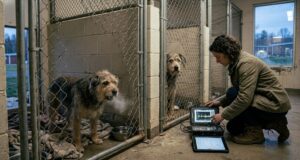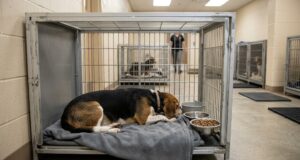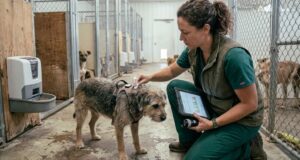
A dog returns home after several nights at a boarding facility. Its owner expects the familiar greeting, an enthusiastic walk around the house, and a quick return to normal routines. Instead, the dog seems unusually quiet. It follows its owner from room to room, refuses its usual food, sleeps for much of the day, or reacts differently to familiar sounds.
Another dog may return with almost the opposite response. It appears restless, unusually energetic, more vocal, or reluctant to settle. Some dogs become temporarily more independent, while others seem unable to tolerate even a short separation from their owners.
These changes can be confusing because the dog may have appeared comfortable during its stay. Yet behavior is influenced by more than what happens inside the boarding facility. The transition from home to boarding, the experience of living in an unfamiliar environment, and the return to familiar surroundings can each produce different responses.
Understanding behavioral changes after Dog Boarding requires examining the entire experience rather than treating the dog’s behavior at checkout as the final measure of its welfare.
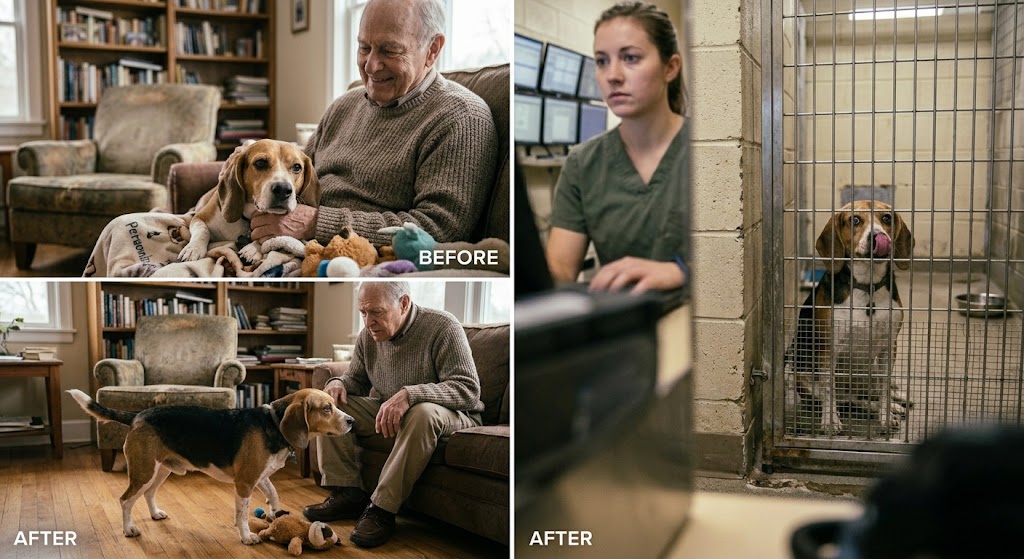
Before Boarding: Establishing the Dog’s Normal Behavioral Baseline
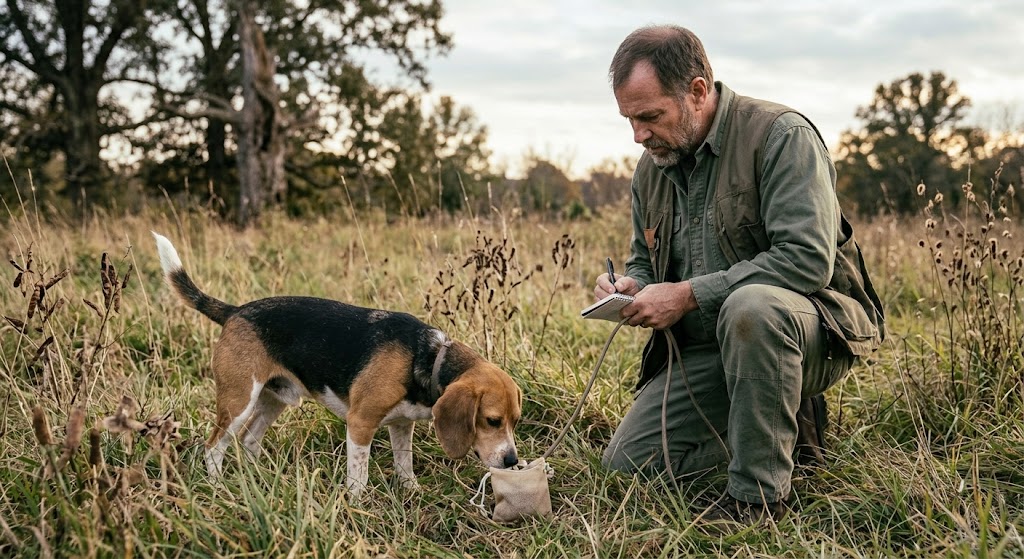
A meaningful comparison begins before the dog enters the facility. Without knowing its normal temperament, appetite, sleeping habits, and social behavior, it is difficult to determine whether a change is significant.
Dogs have individual behavioral patterns. One may naturally sleep for long periods, while another remains active throughout the day. Some seek constant physical contact with their owners, whereas others prefer resting independently.
These differences should not automatically be interpreted as signs of emotional stability or insecurity.
The importance of familiar routines
A dog’s home environment provides predictable information about daily life. Feeding generally happens at familiar times, walking routes are recognizable, sleeping locations carry familiar smells, and household members follow established routines.
These patterns help dogs anticipate what happens next.
Before boarding, owners should identify the behaviors that best represent their dog’s normal condition:
- How enthusiastically does the dog eat?
- How much physical activity does it usually require?
- Does it sleep independently or near family members?
- How does it respond when the owner leaves?
- Does it enjoy unfamiliar people and animals?
- How does it react to changes in routine?
- Is it normally relaxed inside the home?
These observations provide a practical baseline for evaluating changes later.
Pre-boarding anxiety can begin before departure
Some dogs become unsettled when they recognize signs that their owner is preparing to leave. Packing bags, moving bedding, bringing out a travel crate, or changing the household routine may trigger anticipation.
The dog may follow its owner more closely, become unusually alert, or show reluctance to enter a vehicle.
This does not necessarily mean the dog will struggle throughout boarding. It indicates that the transition itself may be emotionally demanding.
For dogs with a history of separation-related problems, preparation should begin well before the scheduled stay.
During Dog Boarding: How an Unfamiliar Environment Influences Behavior
Once the dog arrives at the facility, its normal environmental signals change.
New smells, unfamiliar people, different sleeping arrangements, nearby barking, altered feeding schedules, and reduced control over personal space can all influence behavior.
Some dogs investigate their surroundings and adapt quickly. Others remain cautious or require more time before accepting unfamiliar routines.
Changes in temperament
A normally confident dog may become unusually reserved during the first day of boarding. It might avoid interaction, spend more time observing staff, or hesitate before entering unfamiliar areas.
Another dog may become more vocal, restless, or reactive because the environment contains more stimulation than it experiences at home.
These changes do not necessarily represent a permanent alteration in personality. They may reflect temporary responses to unfamiliar conditions.
The distinction between temperament and temporary emotional state is important. A naturally friendly dog can become defensive when overwhelmed, while a normally quiet dog may become vocal when separated from familiar people.
Appetite and feeding behavior
Food consumption can provide useful information about a dog’s adjustment.
Some dogs eat normally throughout boarding. Others hesitate during their first meals, eat more slowly, or refuse food temporarily.
Possible explanations include:
- Stress associated with separation.
- Unfamiliar feeding locations.
- Changes in meal schedules.
- Different food or treats.
- Noise and activity around feeding areas.
- Competition or discomfort near other animals.
- Existing digestive or medical conditions.
Staff should record actual food consumption rather than simply marking a meal as offered.
A dog that regularly refuses meals, stops drinking, vomits, or develops persistent diarrhea requires further assessment. These symptoms should not automatically be attributed to anxiety.
Changes in energy levels
Activity patterns may also change during boarding.
A dog that receives less exercise than usual may appear restless or energetic. Another may become tired because it spends more time responding to unfamiliar sounds, social activity, and environmental stimulation.
Sleep quality matters here. A dog that repeatedly wakes because of barking or nighttime movement may appear exhausted even when it has spent considerable time lying down.
Conversely, a dog that is reluctant to participate in activities may be experiencing discomfort, fear, illness, or inadequate recovery.
Attachment behavior toward staff
Some dogs begin seeking reassurance from boarding employees after becoming familiar with them. They may approach staff, follow them through the facility, or show excitement when a particular caregiver appears.
This is not necessarily evidence that the dog has forgotten its owner or formed an unhealthy attachment.
Dogs can develop positive relationships with multiple caregivers. Familiarity, consistent handling, and predictable interactions can make temporary accommodation easier.
However, a dog that becomes extremely distressed whenever a particular staff member leaves may need closer observation.
After Boarding: Why Behavioral Changes Become More Noticeable at Home
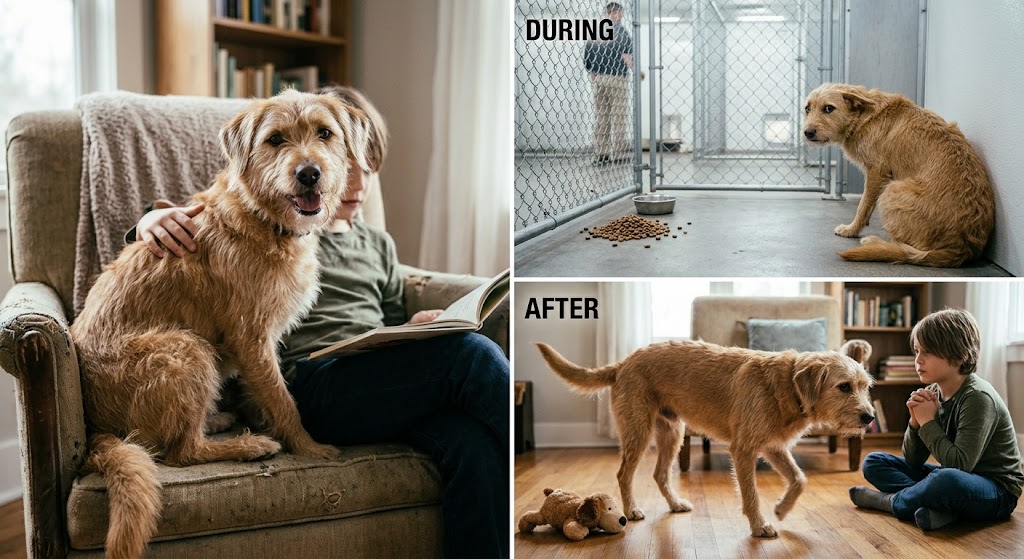
The return home is another major environmental transition.
Owners sometimes assume that a familiar house should immediately restore normal behavior. In reality, the dog must adjust once again to changes in smells, activity, sleeping arrangements, and social expectations.
Some dogs recover quickly. Others need time to return to their usual routines.
Temperament changes after returning home
A dog may initially seem quieter, more sensitive, or less interested in interaction.
For example, an animal that normally greets visitors enthusiastically may choose to rest instead. A dog that usually enjoys playing with children may temporarily prefer a quiet space.
This can reflect fatigue, disrupted sleep, or the need for reduced stimulation after an unfamiliar experience.
Other dogs become unusually excited. They may run around the home, investigate every room, bark more frequently, or struggle to settle.
These reactions can be associated with excitement, accumulated energy, changes in routine, or difficulty transitioning between environments.
Neither response should automatically be interpreted as evidence of psychological damage.
Increased attachment and following behavior
One of the most noticeable changes after boarding is increased proximity-seeking.
A dog may:
- Follow its owner from room to room.
- Sleep closer to family members.
- Become uncomfortable when left alone.
- Seek more physical contact.
- Vocalize when the owner moves out of sight.
- Show excitement whenever the owner returns.
This behavior may represent temporary reassurance-seeking after separation.
However, there is an important difference between a dog that enjoys additional attention and one that develops persistent separation-related distress.
If the dog cannot relax when its owner leaves, repeatedly vocalizes, damages doors, or attempts to escape, the behavior deserves closer investigation.
Temporary changes in independence
Some owners notice that their dog appears less interested in following them after boarding.
This can be surprising, particularly when the dog was previously highly attached.
Possible explanations include tiredness, the need for uninterrupted rest, or a temporary shift in attention toward familiar surroundings.
A short period of independent behavior does not establish that the dog has become emotionally detached from its family.
The more useful question is whether the animal continues to display its usual social responses once it has recovered from the transition.
Appetite Before, During, and After Boarding: A Comparative Investigation
Eating patterns are among the easiest behavioral changes to observe, but they require careful interpretation.
BEHAVIORAL COMPARISON
| Stage | Possible eating pattern | What it may indicate |
|---|---|---|
| Before boarding | Normal appetite | Established feeding routine |
| First day | Hesitation or reduced intake | Environmental adjustment or stress |
| During stay | Gradual return to normal eating | Improved familiarity or comfort |
| After returning | Increased or reduced appetite | Routine changes, fatigue, stress, or medical issues |
Why some dogs eat more after boarding
A dog may appear unusually hungry after returning home. This can happen if it consumed less food during the stay, experienced increased activity, or returned to its normal feeding routine with renewed enthusiasm.
However, excessive hunger can also have medical explanations.
Owners should check the facility’s feeding records before assuming that the dog was not fed properly.
Why some dogs continue refusing food
A dog that remains reluctant to eat after returning home deserves more attention.
Possible causes include:
- Continued anxiety.
- Gastrointestinal upset.
- Changes in food or feeding times.
- Dental discomfort.
- Infection.
- Pain or another medical condition.
Persistent appetite loss should not be dismissed as homesickness. Veterinary advice is appropriate when refusal continues or is accompanied by other symptoms.
Energy Levels and Sleep: Understanding the Post-Boarding Recovery Period
Changes in energy are common after a demanding environmental experience.
Some dogs return home and sleep for much of the first day. Others appear unusually energetic and have difficulty settling.
Both patterns can occur without indicating a serious disorder.
Why a dog may sleep more after boarding
An unfamiliar environment may interfere with normal rest. Barking, movement, lighting, unfamiliar sleeping surfaces, and changes in routine can interrupt sleep.
Even if the facility provides adequate sleeping space, individual dogs may need time to become comfortable enough to rest deeply.
After returning home, familiar smells and sleeping locations may help the dog relax.
Owners should allow sufficient recovery time rather than immediately arranging long walks, social visits, or demanding training sessions.
Why some dogs become unusually energetic
Not every dog responds to boarding by becoming tired.
An animal that received less exercise than usual may return home with additional physical energy. Others may display excitement associated with reunion and the return to familiar surroundings.
A structured return to normal activity is usually more helpful than immediately increasing exercise to exhaust the dog.
If restlessness remains intense or is accompanied by panting, trembling, pain, or unusual behavior, medical assessment may be necessary.
Responses to Familiar Environments: Why Home Can Feel Different After Boarding
A familiar home is not simply a physical location. It contains recognizable smells, routines, social relationships, and opportunities for predictable interaction.
After several days away, a dog may initially investigate its surroundings differently.
It might spend more time sniffing furniture, checking sleeping locations, following household members, or revisiting familiar areas.
Sensory readjustment
Dogs rely heavily on smell to gather information about their environment. Returning home introduces familiar scent patterns that may help the animal reorient itself.
However, changes made while the dog was away can create additional uncertainty.
For example, furniture may have been moved, another animal may have visited, or household cleaning products may have altered familiar smells.
A dog that appears unusually investigative may simply be gathering information.
Reactions to household members
Dogs may respond differently to individual family members after boarding.
A dog may greet one person enthusiastically while remaining quiet around another. It may seek reassurance from its primary caregiver or spend time alone in a familiar resting area.
These behaviors should be interpreted in context.
Owners should avoid assuming that temporary changes in greeting behavior indicate resentment, confusion about family relationships, or a weakened bond.
Factors That Influence How Quickly Dogs Return to Normal
Recovery is not identical for every dog. Several factors can influence the duration and intensity of behavioral changes.
Previous boarding experience
A dog that has experienced comfortable boarding stays may adapt more quickly to a familiar facility.
However, previous experience does not guarantee that every future stay will be equally successful. Changes in health, age, staff, accommodation, or environmental conditions can alter the dog’s response.
Length of stay
A longer stay provides more time for the dog to become familiar with the facility, but it may also mean more time away from normal household routines.
The relationship between boarding duration and behavioral recovery is not straightforward. Individual coping ability and environmental quality are more informative than duration alone.
Age and health
Senior dogs may need additional recovery time because of reduced mobility, chronic discomfort, hearing or vision changes, or age-related cognitive changes.
Puppies may also need additional support as they continue developing their ability to cope with unfamiliar environments.
Dogs with existing medical conditions should receive particular attention because changes in appetite, sleep, and activity may reflect illness rather than behavioral adjustment.
Temperament and previous experiences
Dogs that are highly sensitive to environmental changes may take longer to settle after boarding.
Animals with previous negative experiences involving confinement, separation, or unfamiliar caregivers may also require more careful preparation.
How Owners Should Monitor Their Dog During the First Few Days at Home
The first few days after Dog Boarding provide an opportunity to observe whether the animal is returning to its normal condition.
Rather than reacting to every unusual behavior, owners should look for patterns.
Establish a calm recovery routine
For the first day or two, depending on the dog’s condition, consider:
- Returning to familiar feeding times.
- Providing access to clean drinking water.
- Allowing uninterrupted rest.
- Keeping walks appropriate to the dog’s usual fitness.
- Avoiding unnecessary visitors and crowded environments.
- Offering familiar toys and bedding.
- Maintaining predictable household routines.
The objective is to reduce unnecessary demands while the dog readjusts.
Record meaningful behavioral changes
Owners can keep a simple record of:
| Area | What to monitor |
|---|---|
| Appetite | Amount eaten and interest in food |
| Drinking | Normal water consumption |
| Sleep | Restlessness, excessive sleep, or difficulty settling |
| Temperament | Irritability, withdrawal, or unusual excitement |
| Attachment | Increased following or difficulty being alone |
| Activity | Reduced energy or persistent restlessness |
| Digestion | Vomiting, diarrhea, or changes in bowel movements |
| Social behavior | Responses to family members and familiar dogs |
Comparing these observations with the dog’s normal baseline can help identify whether improvement is occurring.
When Behavioral Changes Require Professional Assessment
Not every post-boarding behavior change requires veterinary treatment. Temporary tiredness, additional affection, and mild changes in routine may resolve as the dog settles back into familiar surroundings.
However, certain patterns should not be ignored.
Signs that warrant veterinary attention
Contact a veterinarian if the dog develops:
- Persistent refusal to eat.
- Repeated vomiting or diarrhea.
- Significant lethargy.
- Difficulty breathing.
- Signs of pain or abnormal movement.
- Unusual disorientation.
- Persistent trembling or severe distress.
- Sudden and marked behavioral changes.
Collapse, severe breathing difficulty, suspected poisoning, or other rapidly worsening symptoms require urgent veterinary care.
When a behavioral specialist may help
Professional behavioral assessment may be appropriate when a dog develops persistent problems such as:
- Severe distress whenever the owner leaves.
- Repeated destructive behavior.
- New aggression or intense fear.
- Persistent avoidance of familiar people.
- Repetitive or compulsive behaviors.
- Inability to settle after returning home.
- Significant changes that continue despite restoration of normal routines.
A veterinarian should first consider medical explanations, including pain, neurological conditions, and other illnesses that can alter behavior.
If a behavioral problem remains, a qualified veterinary behaviorist or appropriately credentialed canine behavior professional can help develop an individualized management plan.
How Boarding Facilities Can Reduce Behavioral Changes After Checkout
Facilities should not consider their responsibility complete when the owner arrives to collect the dog.
A useful handover includes information about the animal’s behavior throughout the stay.
Staff should communicate:
- Whether the dog ate normally.
- How well it slept.
- Whether it showed signs of separation distress.
- How it interacted with staff and other dogs.
- Whether its energy level changed.
- Whether any medical or behavioral concerns occurred.
- Which activities and accommodation arrangements appeared most comfortable.
These details help owners understand what to expect after returning home.
Facilities should also avoid making unsupported statements such as claiming that a dog was completely stress-free simply because it did not bark or cause damage.
A quiet dog may still have experienced discomfort.
Accurate records and honest communication are more useful than reassuring descriptions that do not reflect the animal’s actual behavior.
Preventing Difficult Behavioral Transitions Before the Next Boarding Stay
If a dog experiences noticeable changes after boarding, the next stay should be planned with those observations in mind.
Owners can discuss the previous experience with the facility and identify which parts of the stay were most challenging.
Possible adjustments include:
- Scheduling a familiarization visit.
- Choosing a quieter sleeping area.
- Maintaining the dog’s normal food.
- Reducing unnecessary group interaction.
- Providing familiar bedding when safe.
- Adjusting exercise and rest schedules.
- Requesting more frequent behavioral updates.
- Considering a different accommodation arrangement.
For dogs with persistent separation-related distress, preparation may require a structured behavior plan rather than simply booking a shorter stay.
The aim should be to improve the dog’s ability to cope, not to force it through repeated experiences that produce significant distress.
The Most Important Comparison Is the Dog’s Return to Its Normal Self
Behavioral changes after Dog Boarding are best understood as a process that begins before departure, develops during the stay, and continues after the dog returns home.
A temporary reduction in appetite, increased attachment, unusual tiredness, or a short period of restlessness may reflect the demands of environmental change. These responses do not automatically indicate lasting psychological harm.
What matters is the overall pattern: whether the dog gradually returns to its familiar appetite, temperament, sleeping habits, energy level, and social behavior.
Owners should pay attention to persistent or worsening changes, while boarding facilities should provide accurate information about the animal’s experience rather than judging its welfare by a single moment.
A successful Dog Boarding experience should not be measured only by how comfortably a dog enters the facility or how happily it greets its owner at checkout. The more meaningful measure is how well the animal maintains its physical and behavioral stability throughout the transition and returns to its normal life afterward.